Mars Science
The geology, atmosphere, water, and chemistry of the Red Planet.
Mars is the most Earth-like world in the solar system and, at the same time, a cautionary tale about how a planet can die. It once had rivers, lakes, and possibly a northern ocean; a thick atmosphere; and a protective magnetic field. Today it is a frozen desert with an atmosphere less than one percent as dense as ours, its water locked away as underground ice and polar caps. Understanding how that transformation happened is the central project of Mars science — and the key to knowing whether life ever arose there.
The story turns on a single ancient catastrophe. When Mars's core cooled and its magnetic field collapsed roughly four billion years ago, the solar wind began stripping the atmosphere away, and the planet's surface water followed. What remains is a geological record frozen in time: because Mars lacks plate tectonics, its rocks preserve a history that has been erased on our own restless planet. Rovers reading that record have found clays, sulfates, and organic molecules — the chemical fingerprints of a wetter, warmer past.
Modern Mars science is also intensely practical. The same thin atmosphere that makes the planet hostile is 95% carbon dioxide — a resource, not just a hazard. Experiments like MOXIE have proven that oxygen can be pulled from Martian air, while the hunt for accessible water ice shapes where the first humans will land. The articles below explore the atmosphere, geology, radiation, sound, and lingering mysteries of the Red Planet.
Science Articles
MMX Mission: Japan Launches Its Most Ambitious Planetary Science Mission Yet
Japan's Martian Moons eXploration (MMX) spacecraft launched today, setting course for Phobos and Deimos. The JAXA-led mission aims to return…
What It Takes to Survive Mars Dust
Mars dust is far more dangerous than it looks. From toxic perchlorates to lung-shredding particles, here's what the science says…
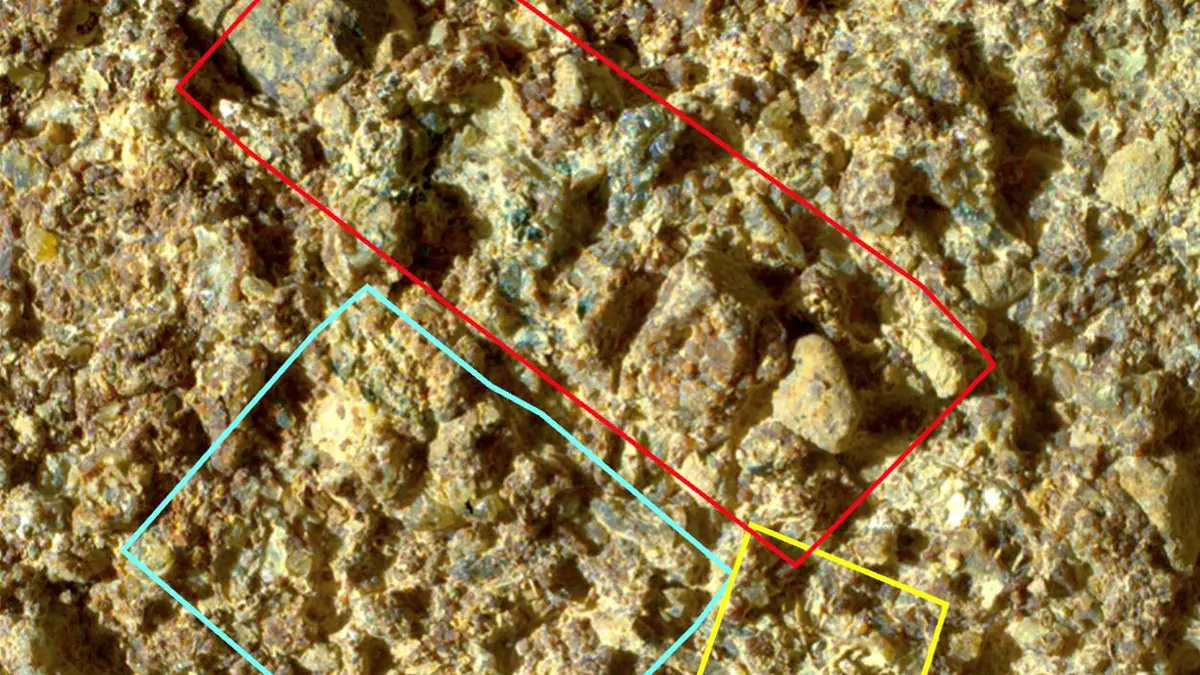
The Geology of Mars: What Rocks Tell Us About a Dead Planet
Mars may be geologically quiet today, but its rocks preserve billions of years of planetary history. Here's what rovers, orbiters,…
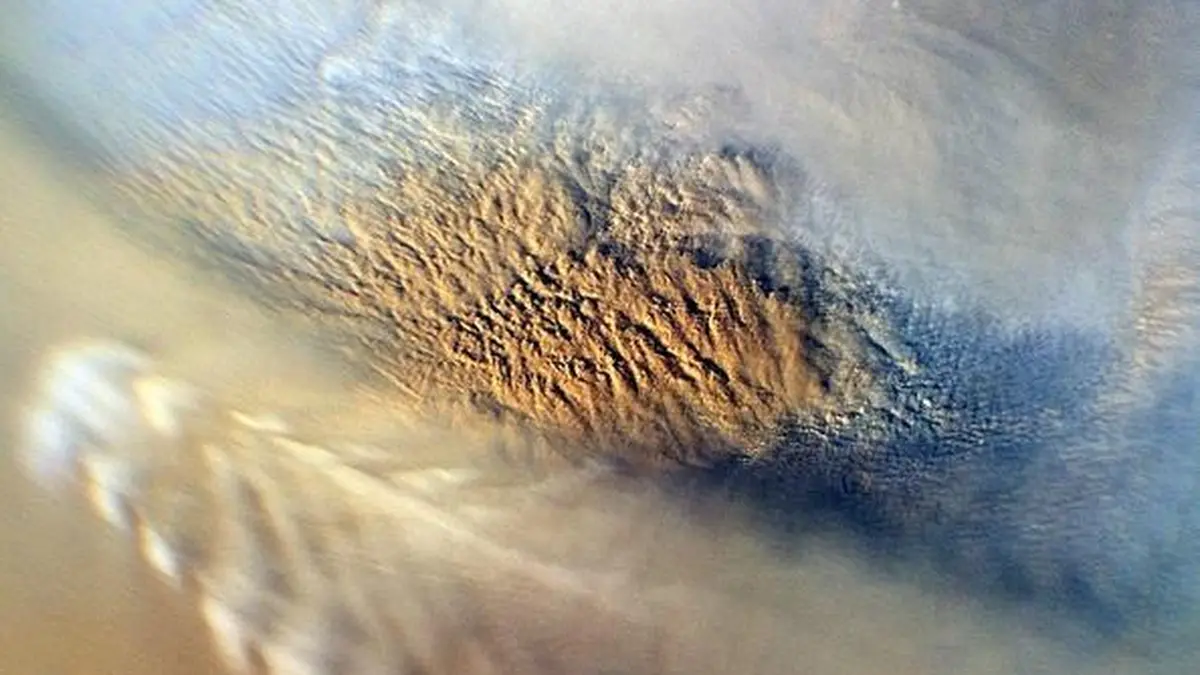
Mars Dust Devils: Beautiful, Dangerous, and Everywhere
Mars dust devils are towering vortices that dwarf anything on Earth, reshaping the planet's surface and threatening spacecraft. Here's what…
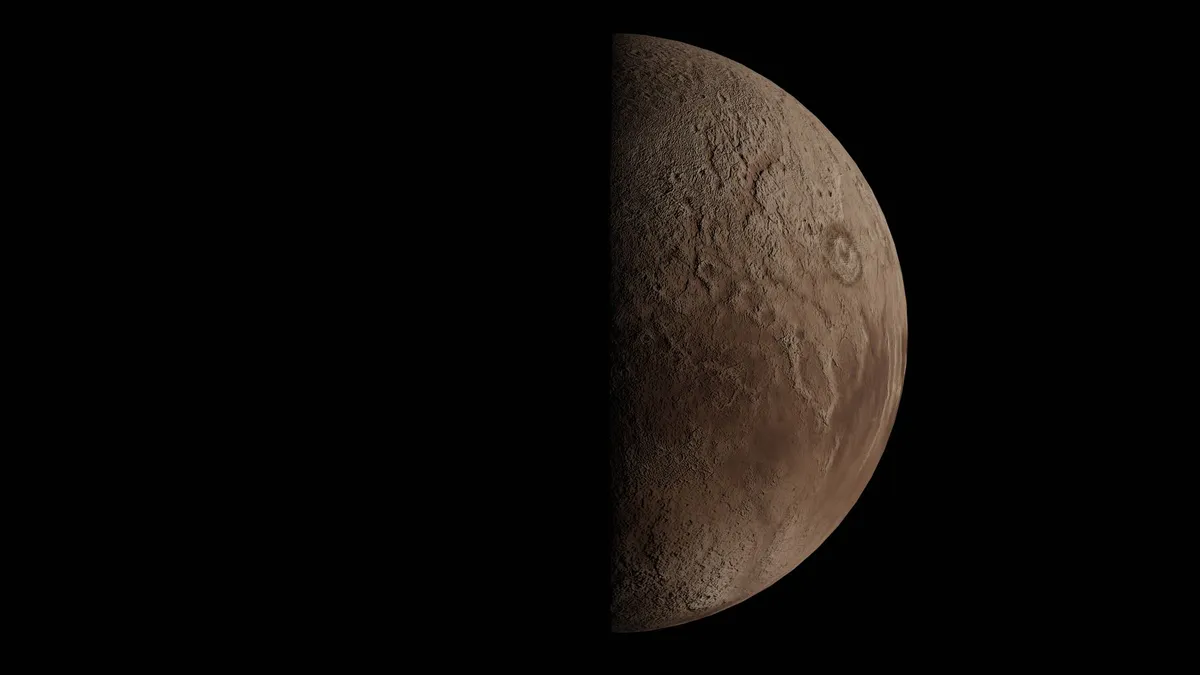
How Long is a Day on Mars? Time, Calendars, and Life on the Red Planet
A Martian day — called a sol — lasts 24 hours, 39 minutes, and 35 seconds. Here's how that small…
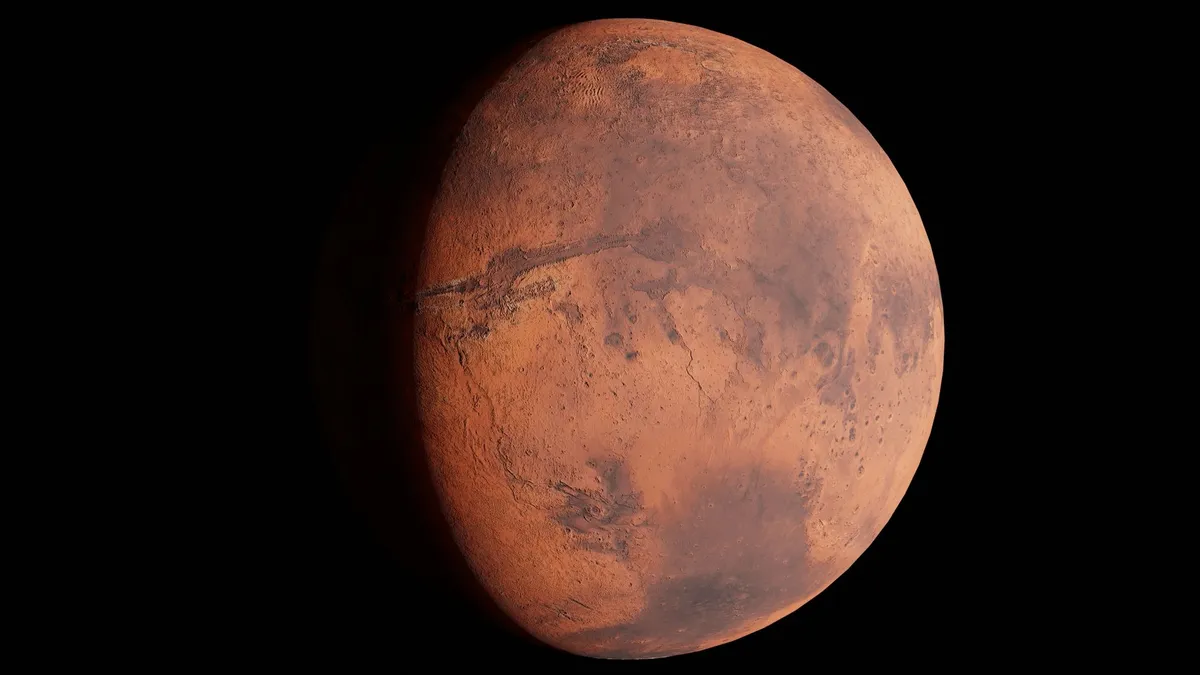
The Moons of Mars: Phobos, Deimos, and Their Strange Orbits
Mars has two small, misshapen moons with orbits unlike anything else in the solar system. Here's what we know about…

What Would Mars Sound Like? The Science of Sound on Another Planet
Mars has an atmosphere, which means it can carry sound — but not the way Earth does. Here's what science…
The Mars Methane Mystery: Life, Geology, or Something Else?
Mars keeps releasing small but puzzling bursts of methane — a gas that shouldn't last long in the Martian atmosphere.…
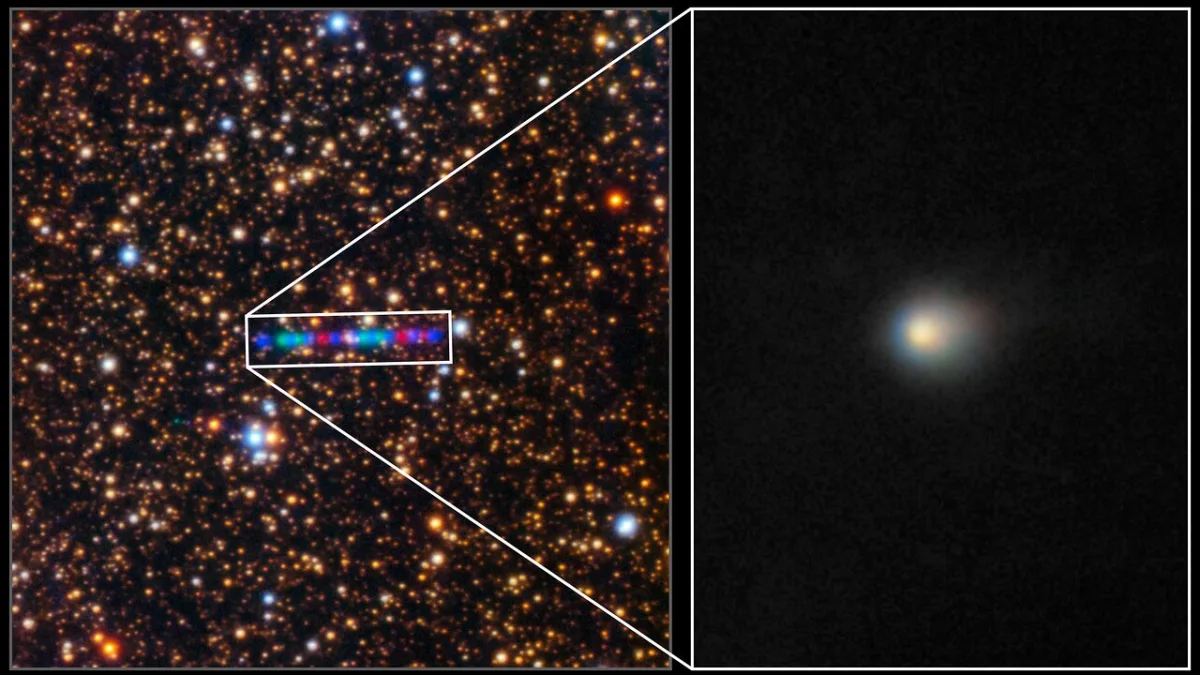
NASA APOD: 3I/ATLAS
Discovered on July 1 with the NASA-funded ATLAS (Asteroid Terrestrial-impact Last Alert System) survey telescope in Rio Hurtado, Chile, 3I/ATLAS…
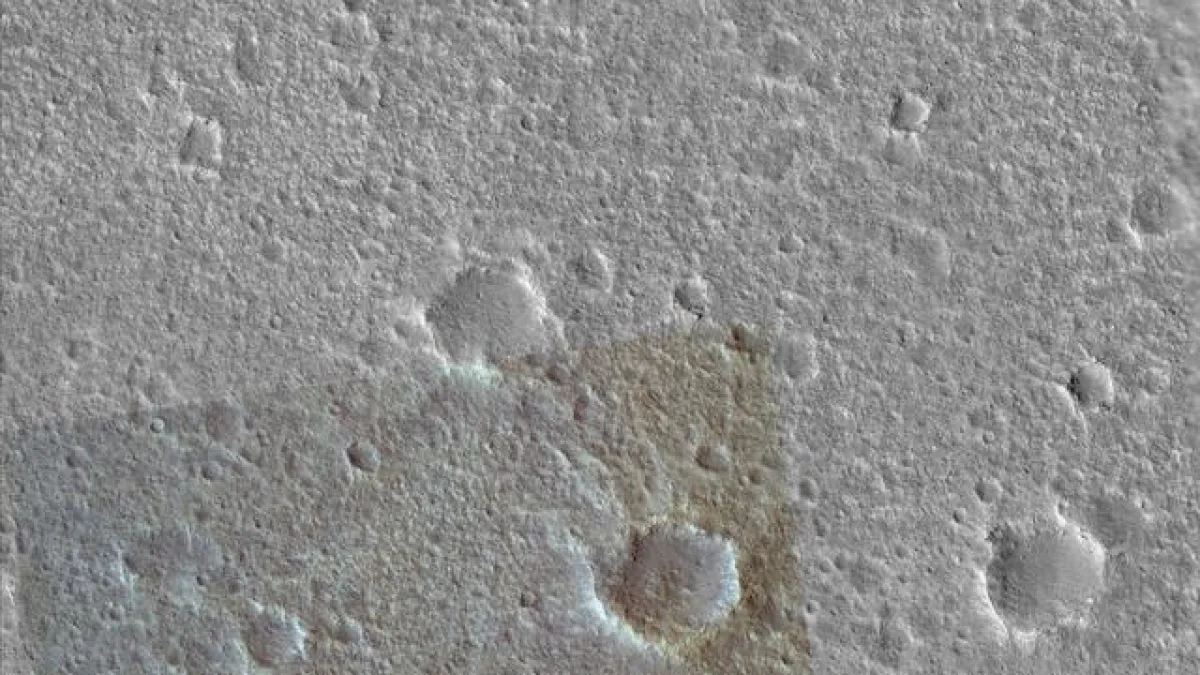
NASA APOD: Mars: Looking For Viking
On July 20, 1976, the Viking 1 lander touched down on the Martian Chryse Planitia. Its exact landing site is…
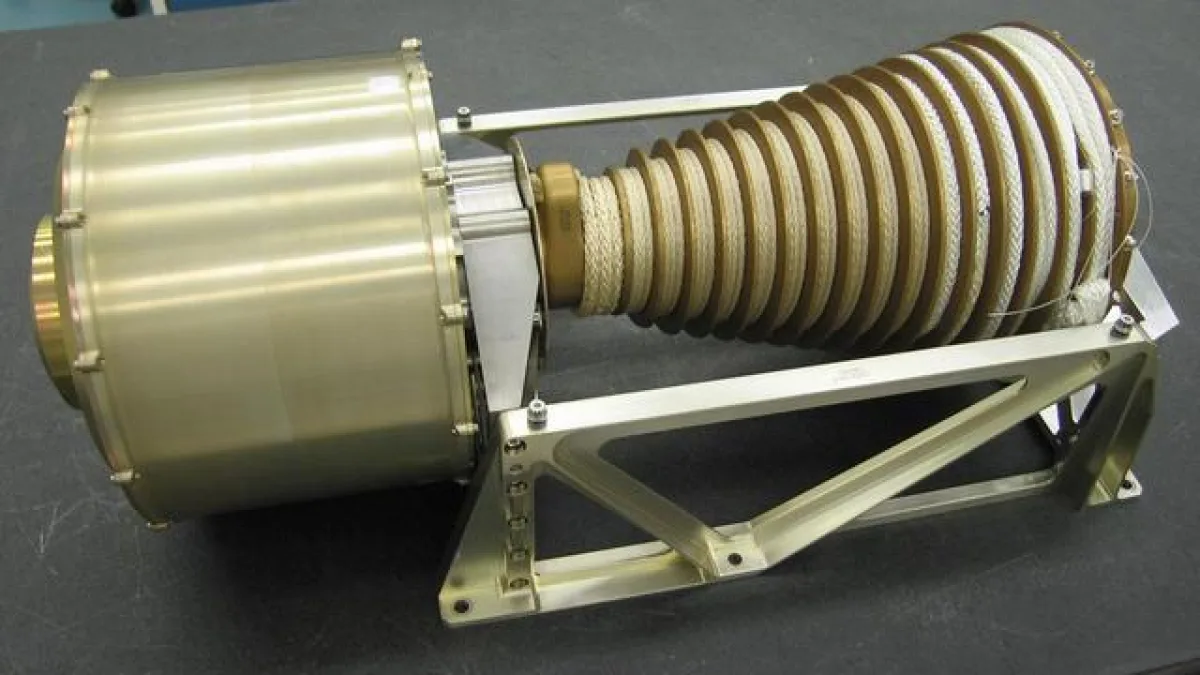
Mars Terraforming: Could We Actually Do It?
Terraforming Mars is a compelling idea with serious scientific proposals behind it — but the energy requirements, timescales, and ethical…
Why Mars Lost Its Water — And What That Means for Life
Mars was once a wet, potentially habitable world. Understanding how it lost its oceans and atmosphere — and what remains…
Facts at a Glance
Water Ice Exists at the Poles and Underground
Mars has confirmed water ice at both polar caps and in the shallow subsurface at mid-to-high latitudes, confirmed by the Mars Odyssey orbiter and the Phoenix lander's direct excavation. This is the most critical resource for any future human settlement.
Atmosphere is 95% Carbon Dioxide
The Martian atmosphere is composed of approximately 95.3% carbon dioxide, 2.7% nitrogen, 1.6% argon, and trace amounts of oxygen and water vapor. This makes it unbreathable for humans without life support.
MOXIE Proved Oxygen Can Be Made on Mars
In April 2021, NASA's MOXIE aboard Perseverance produced 5.37 grams of oxygen from the Martian atmosphere — enough for roughly 10 minutes of breathing. It proved the technology that could supply both air and rocket propellant for future missions.
A Martian Day is 24 Hours and 37 Minutes
A Martian solar day — called a sol — lasts 24 hours, 39 minutes, and 35 seconds. This is remarkably close to an Earth day, making Mars among the most practical of all planets for human biological adaptation.
Hellas Planitia is the Deepest Basin on Mars
The Hellas Planitia impact basin is approximately 7.2 km deep and 2,300 km wide. At its floor, atmospheric pressure is roughly double the Martian average — making it a prime candidate for early human settlement.
Temperatures Swing Wildly
Surface temperatures on Mars range from about -195°F (-125°C) at the poles in winter to about 70°F (20°C) near the equator on a summer afternoon. The thin atmosphere means these swings can occur within a single day.