Mars has gone from a point of red light in the night sky to the most tangible destination in human spaceflight. In the span of a single lifetime we have mapped its canyons and volcanoes from orbit, landed rovers that trundle across ancient lakebeds, flown the first aircraft in another world's atmosphere, and manufactured breathable oxygen from Martian air. The question is no longer whether humans will go, but when — and what kind of world we will build when we arrive. Let's go!
This site is a complete guide to that undertaking. On the science side, we cover how Mars formed, why it lost its water and atmosphere, what its geology reveals about a planet that died, and the chemistry that colonists will one day exploit to survive. On the human side, we trace the full arc of robotic exploration — from Mariner 4's first grainy flyby to Perseverance caching samples for return to Earth — and lay out the step-by-step roadmap to settlement, from landing site selection to growing food, managing radiation, and governing a society that no longer answers to Earth.
We also take seriously the parts of Mars that rarely make the mission briefings: what colonists will eat, wear, and believe; how they will fall in love, compete, mourn their dead, and invent new sports, slang, and cuisine in 38% gravity. Mars is not just an engineering problem. It is the next place human culture will take root. Explore the stories and ideas that shaped how we imagine it, and the facts that ground it in reality.
Featured
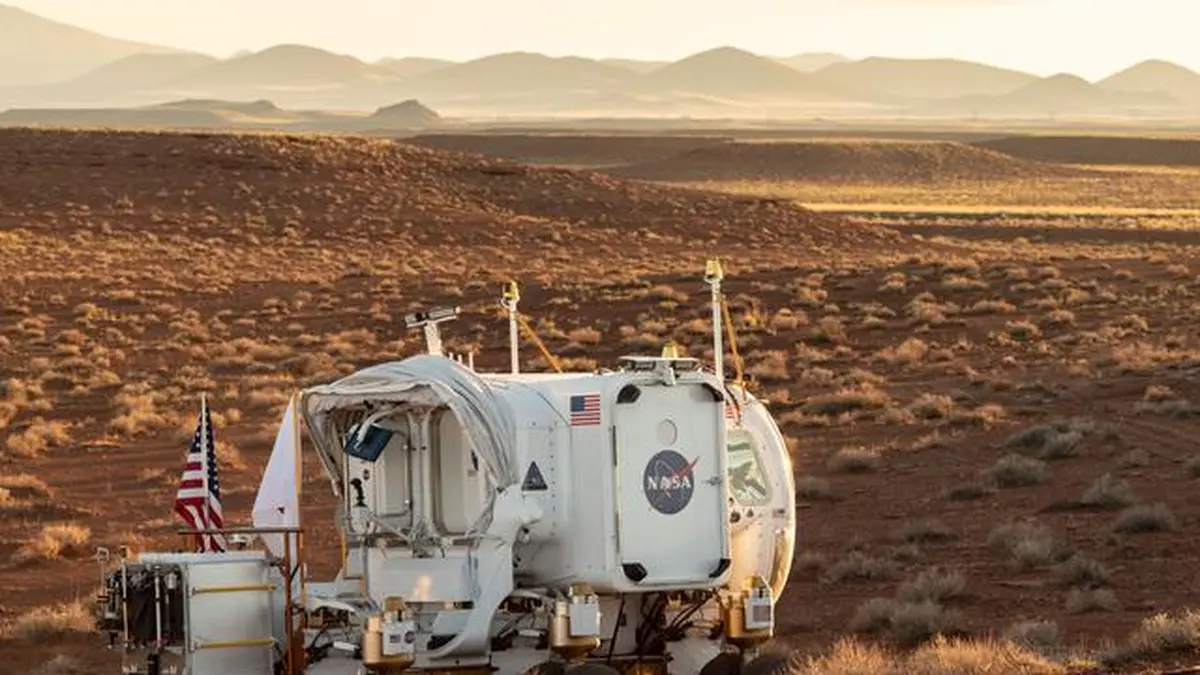
MMX Mission: Japan Launches Its Most Ambitious Planetary Science Mission Yet
Japan's Martian Moons eXploration (MMX) spacecraft launched today, setting course for Phobos and Deimos. The JAXA-led mission aims to return a sample from Phobos and…
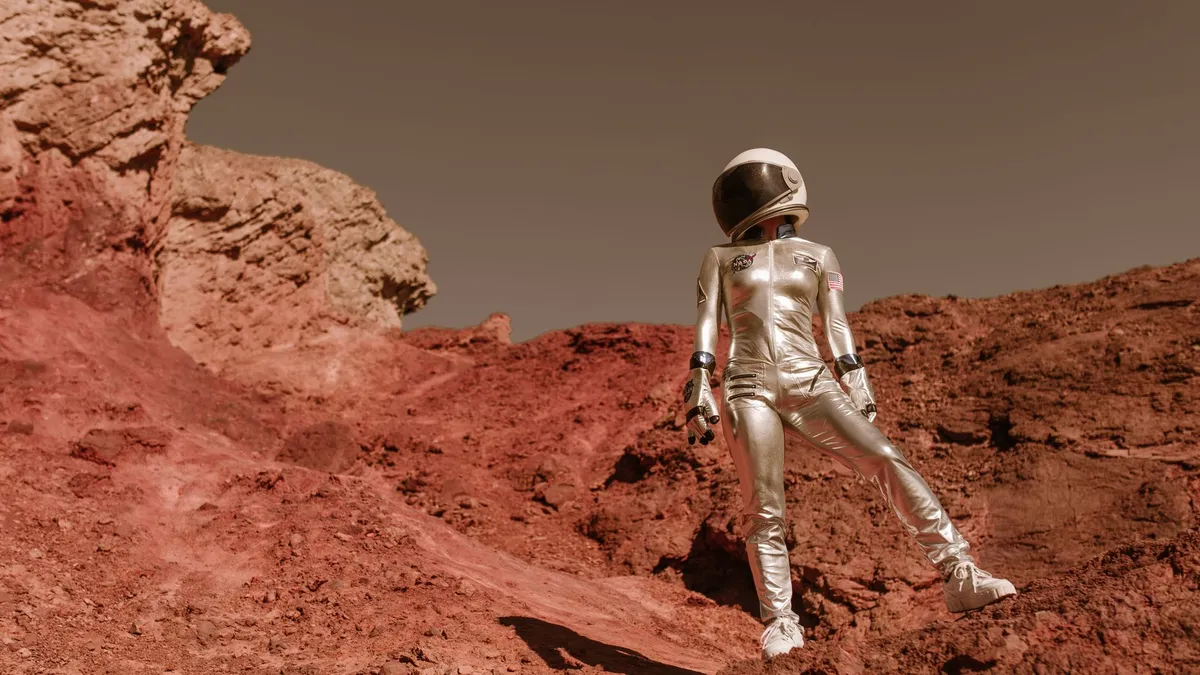
What Does It Mean to Be a Martian? Identity on Another World
The first humans on Mars won't just be explorers — they'll be the founders of an entirely new branch of human civilization. What does identity…

The Psychology of Isolation: What Mars Will Do to the Human Mind
A Mars mission will push human psychology to its absolute limits. From communication delays to years of confinement, here's what the science tells us about…
The Human Mission
A step-by-step guide to what it actually takes.
Exploration History
Every Mars mission, from Mariner 4 to today.
Mars Careers
The jobs that will get us there.
Sci-Fi & Culture
Mars through the lens of imagination.
Latest Articles
View all →
MMX Mission: Japan Launches Its Most Ambitious Planetary Science Mission Yet
Japan's Martian Moons eXploration (MMX) spacecraft launched today, setting course for Phobos and Deimos. The JAXA-led mission aims…
The X-Files and the Golden Age of UFO Television
How a 1990s TV series channeled and amplified a decade of conspiracy culture, and why "I Want to…
Area 51: The Real History Behind the Myth
Behind the alien legend, Area 51 has a documented history — as a secret facility for testing some…
Bob Lazar and the Element 115 Story
A case study in how an unverifiable claim spreads: the man who said he reverse-engineered alien craft, and…
Roswell, 1947: How a Weather Balloon Became a Legend
The founding myth of modern UFO belief began with a real event in New Mexico — and grew,…
From Flying Saucers to UAP: How the Government Changed Its Tune
In recent years the U.S. government has openly acknowledged unexplained aerial phenomena. Here is what is actually documented…
Mars News
Mars Facts
Temperatures Swing Wildly
Surface temperatures on Mars range from about -195°F (-125°C) at the poles in winter to about 70°F (20°C) near the equator on a summer afternoon. The thin atmosphere means these swings can occur within a single day.
Mars Has Two Tiny Moons
Phobos and Deimos are Mars's two small, irregularly shaped moons, likely captured asteroids. Phobos orbits so close to Mars that it completes an orbit in just 7 hours 39 minutes — faster than Mars rotates — and will eventually crash into the planet in roughly 50 million years.
Mars Once Had a Global Magnetic Field
Remnant magnetic signatures in ancient rocks indicate Mars once had a global magnetic field similar to Earth's. It ceased about 4 billion years ago when the planet's core cooled, after which the solar wind gradually stripped away much of the atmosphere.