The Invisible Threat on the Red Planet
When most people picture the hazards of living on Mars, they think of radiation, freezing temperatures, or the near-vacuum atmosphere. Dust rarely tops the list. It should. The fine reddish particles that blanket Mars and swirl into planet-wide storms represent one of the most complex and persistent threats any human crew would face — and surviving it requires solving several distinct problems at once.
It's Not Just Dirt
Mars dust is chemically hostile in ways Earth soil simply isn't. Data from NASA's Phoenix lander (2008) and the Curiosity rover confirmed that Martian regolith contains perchlorates — chlorine-based compounds — at concentrations ranging from 0.5 to 1 percent by weight. On Earth, perchlorates occur in trace amounts and are considered environmental contaminants. On Mars, they're essentially everywhere.
Inhaling perchlorate-laden dust would disrupt thyroid function by blocking iodine uptake, potentially causing hypothyroidism and, with chronic exposure, increasing cancer risk. But perchlorates aren't the only chemical concern. Martian soil also contains reactive oxygen compounds, including hydrogen peroxide and superoxides, that can damage lung tissue directly. These aren't theoretical dangers — they're documented components of the Martian surface chemistry.
The Physical Problem: Particles That Never Stop Cutting
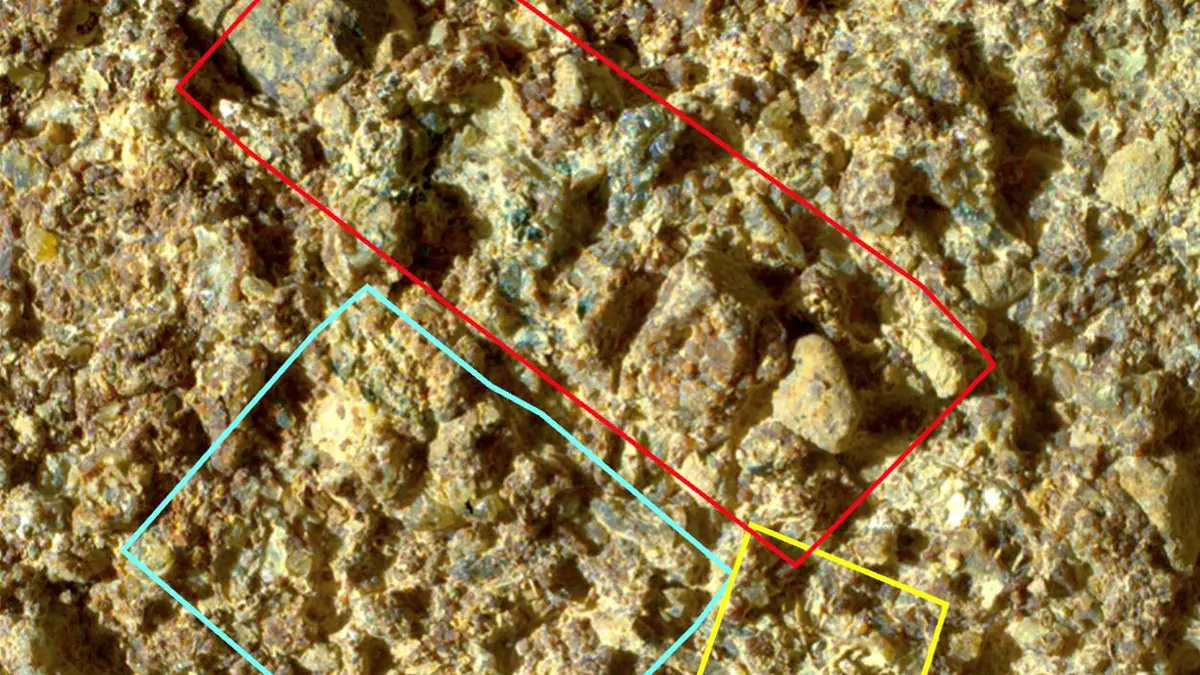
Beyond chemistry, the physical properties of Martian dust pose serious risks. Martian dust particles are extremely fine — typically 1 to 3 micrometers in diameter, small enough to penetrate deep into the alveoli of human lungs. Unlike Earth dust, which gets rounded and smoothed by wind, water, and biological activity over time, Mars has no liquid water and no biology to weather its particles. The grains remain sharp and jagged at the microscopic level.
Prolonged inhalation of fine mineral particles with this profile would likely cause a condition similar to silicosis — progressive and irreversible scarring of lung tissue. NASA researchers studying lunar dust (which shares some characteristics) have used the term "lunar lung" to describe the potential long-term pulmonary damage. Mars dust carries comparable risks, compounded by its chemical toxicity.
Dust Storms: A Planet-Wide Hazard
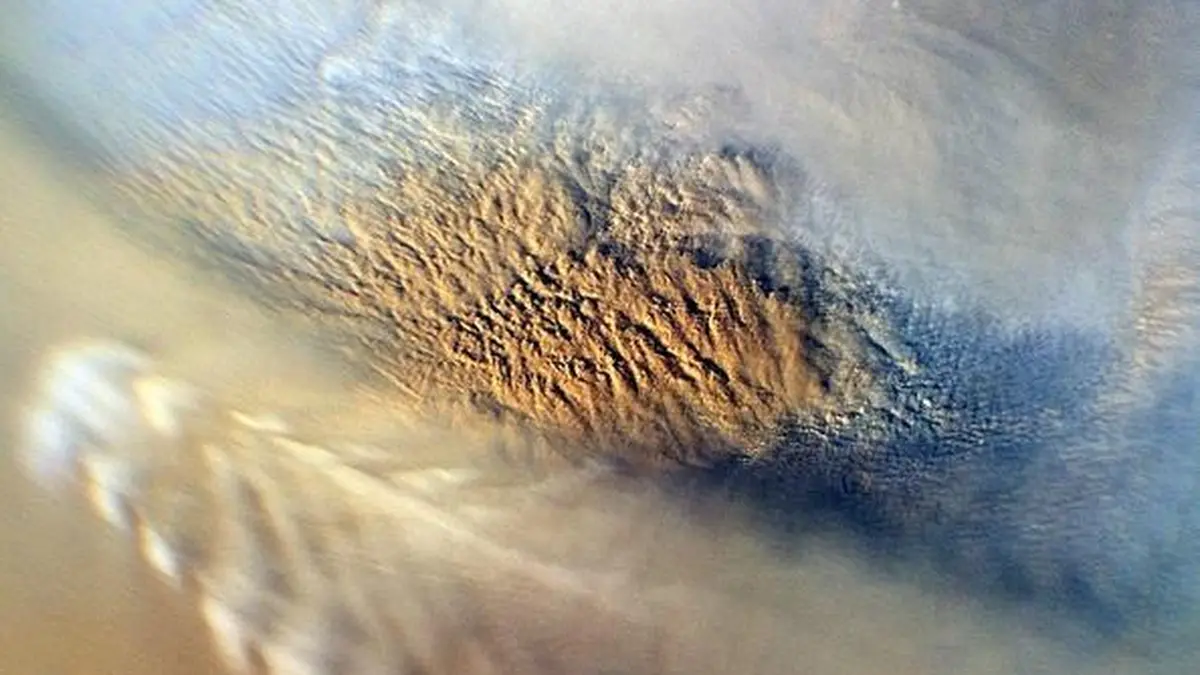
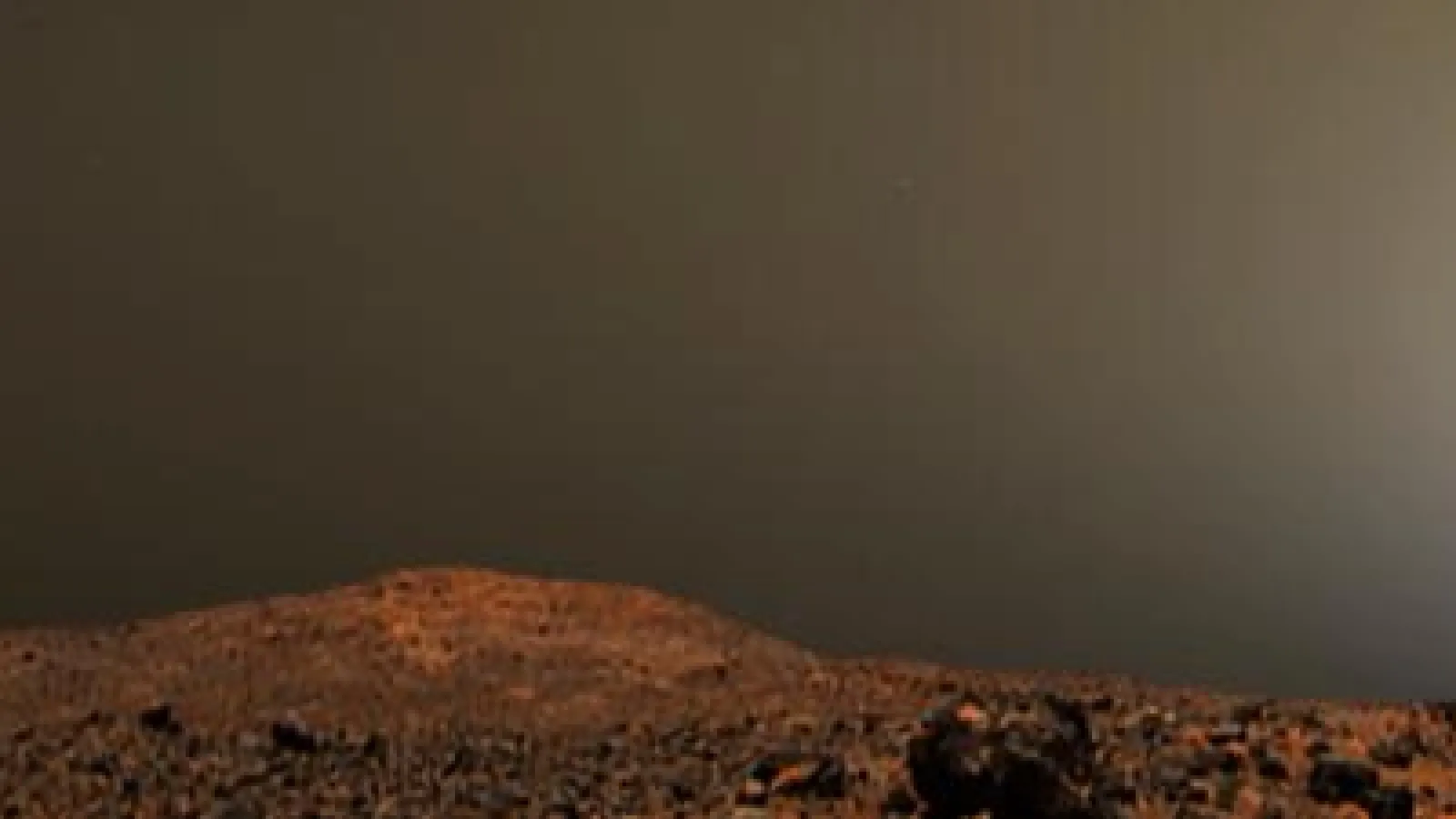
Mars experiences regional dust storms frequently, and roughly every three Martian years (about 5.5 Earth years), conditions can trigger global dust events. The 2018 global dust storm lasted approximately eight months and reduced sunlight levels so dramatically that NASA's Opportunity rover — solar-powered — fell silent permanently after 15 years of operation.
For a human crew, a global storm creates cascading problems: solar panels lose efficiency, surface visibility drops to near zero, and fine particles infiltrate every exposed system. Dust accumulation on spacesuits, airlocks, and habitat seals isn't just an inconvenience — it's a contamination pathway that engineers must actively design against.
How Engineers and Scientists Plan to Survive It
Suit and Airlock Design
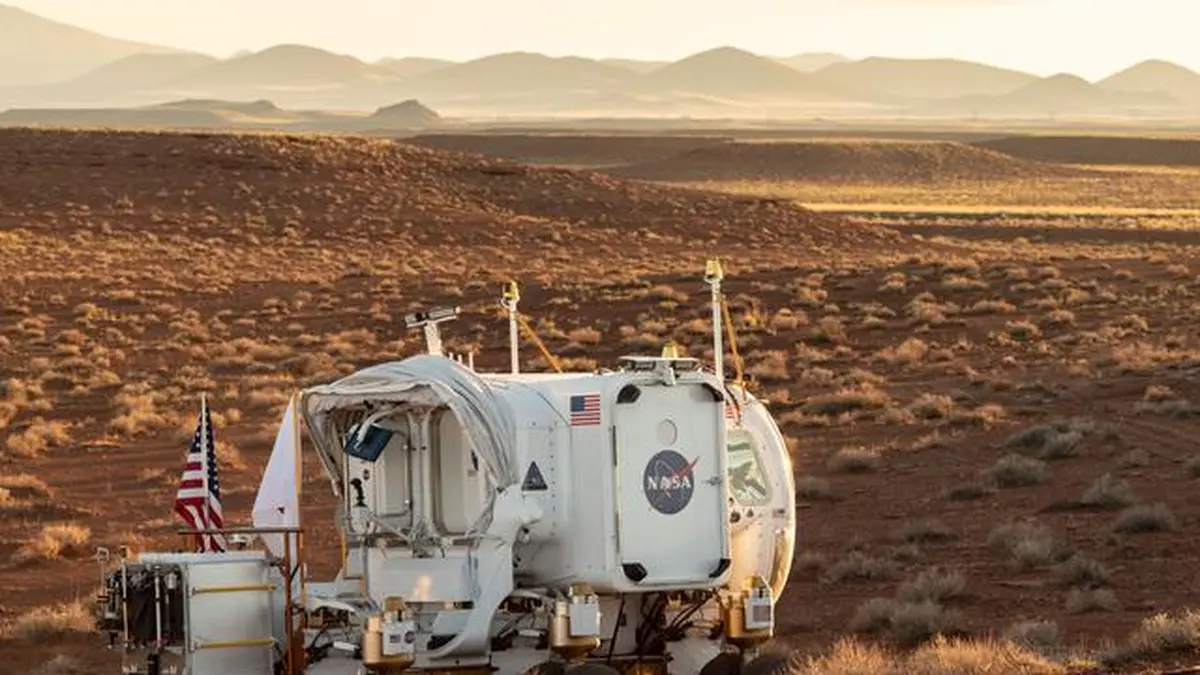
Preventing dust ingress starts at the door. Habitat designs being studied for Mars include "dust locks" — staged airlock chambers where suits can be brushed, vacuumed, and doffed before crew members enter the pressurized interior. One concept, developed in part through NASA's research programs, involves suits that dock directly to the habitat wall so astronauts climb in and out from inside, never bringing the suit's exterior into the living space.
Air Filtration
Any habitat air handling system would require HEPA-grade filtration capable of capturing particles down to 0.3 micrometers with 99.97 percent efficiency. Given the electrostatic properties of Martian dust — which make it cling stubbornly to surfaces — active electrostatic precipitators are also under consideration as a supplementary measure. NASA's Glenn Research Center has investigated electrodynamic dust shields that use electric fields to physically repel particles from surfaces.
Limiting Surface Time
Operational protocols will likely restrict EVA duration and frequency during storm periods, much as spacewalks outside the ISS are curtailed during heightened solar events. Scheduling intensive surface work during clearer seasonal windows — Mars has seasons due to its 25.2-degree axial tilt — could significantly reduce cumulative dust exposure.
Medical Countermeasures
Researchers are also exploring pharmaceutical countermeasures for perchlorate exposure, including potassium iodide supplementation to protect thyroid function and antioxidant therapies to mitigate oxidative lung damage. These aren't guaranteed solutions, but they form part of the layered approach mission planners are developing.
A Solvable Problem — With the Right Engineering
Mars dust is genuinely dangerous. The combination of toxic chemistry, abrasive fine particles, and planet-scale storms makes it a threat that cannot be ignored or minimized. But it is also a known threat — one that scientists have been characterizing for decades using landers, rovers, and atmospheric models. Every kilogram of data returned by Curiosity, Perseverance, and their predecessors makes the engineering response more precise. The dust will not go away. But with careful design, humans can learn to live alongside it.