Colonization
Articles, research, and analysis on Mars colonization.
Colonizing Mars means solving survival first and society second. Before anyone can call the planet home, they must produce air, water, food, and power in an environment with no breathable atmosphere and no magnetic shield. These articles explore both halves of the challenge: the engineering that keeps colonists alive, and the human questions — culture, law, identity, meaning — that arise once they are.

The Business Case for Mars: Who Will Pay for Colonization?
Getting humans to Mars is one thing — keeping them there is a financial puzzle unlike anything humanity has attempted. Here's who…

How Radiation Suits Would Work on Mars
Mars surface radiation hits about 0.67 mSv per day — far above safe limits. Here's how EVA suit design, shielding materials, and…
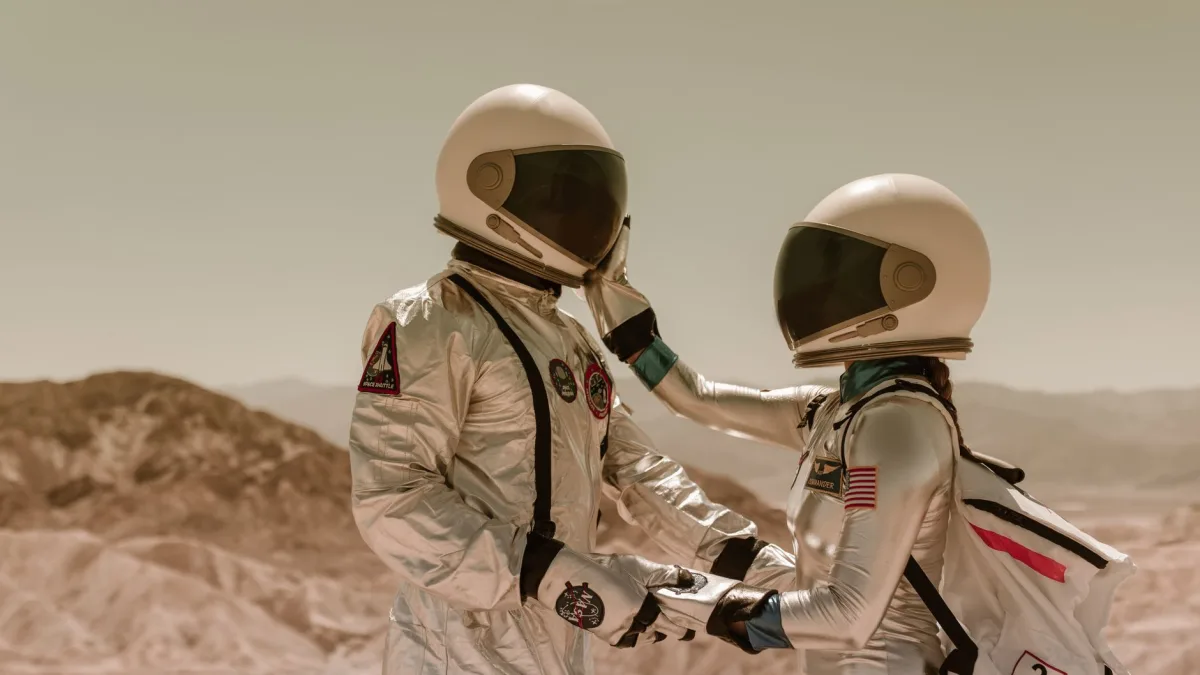
What Would Having Sex Be Like on Mars?
Mars's low gravity, radiation environment, and pressurized habitats would make human intimacy a genuinely strange experience. Here's what the science actually tells…
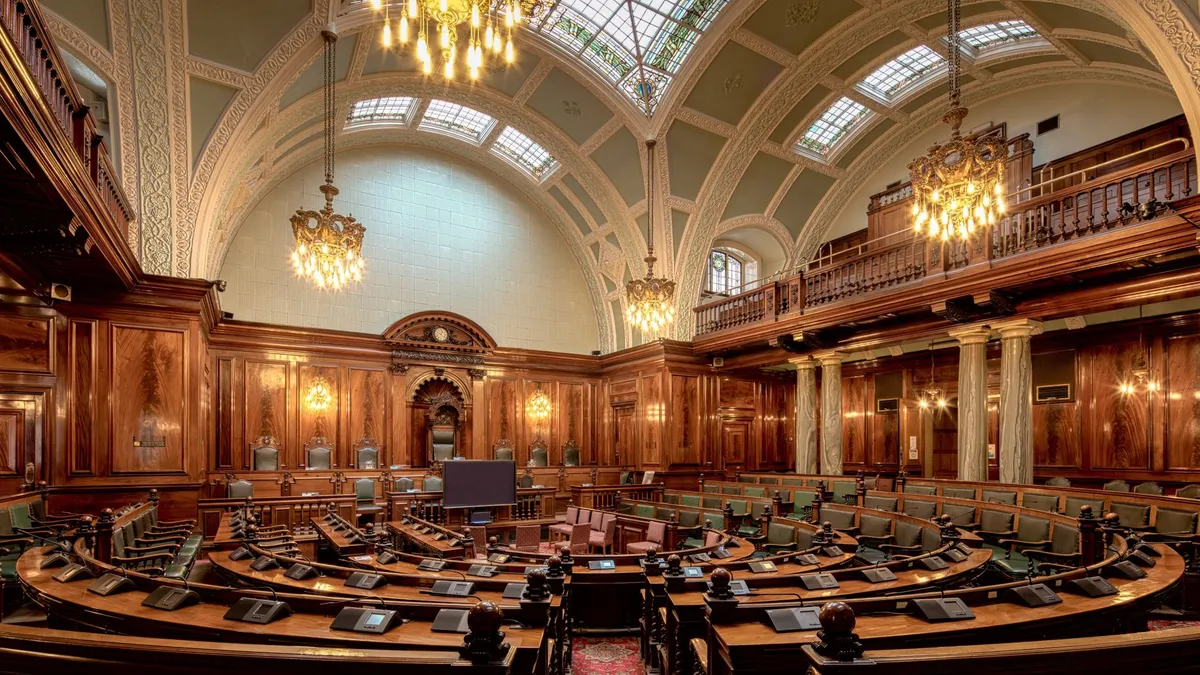
Mars Law: Who Governs the Red Planet?
No nation owns Mars — but that doesn't mean it's ungoverned. From the 1967 Outer Space Treaty to the Artemis Accords, here's…

Can Humans Have Children on Mars?
Reproducing on Mars is one of the most profound challenges of long-term colonization. Here's what science currently knows — and doesn't —…

A Day in the Life of a Mars Colonist
What would a typical sol actually look like for an early Mars colonist? From morning systems checks to EVA prep and greenhouse…

The Psychological Challenges of Living on Mars
A Mars mission won't just test human bodies — it will test human minds. From 20-minute communication delays to the 'Earth-out-of-view' effect,…
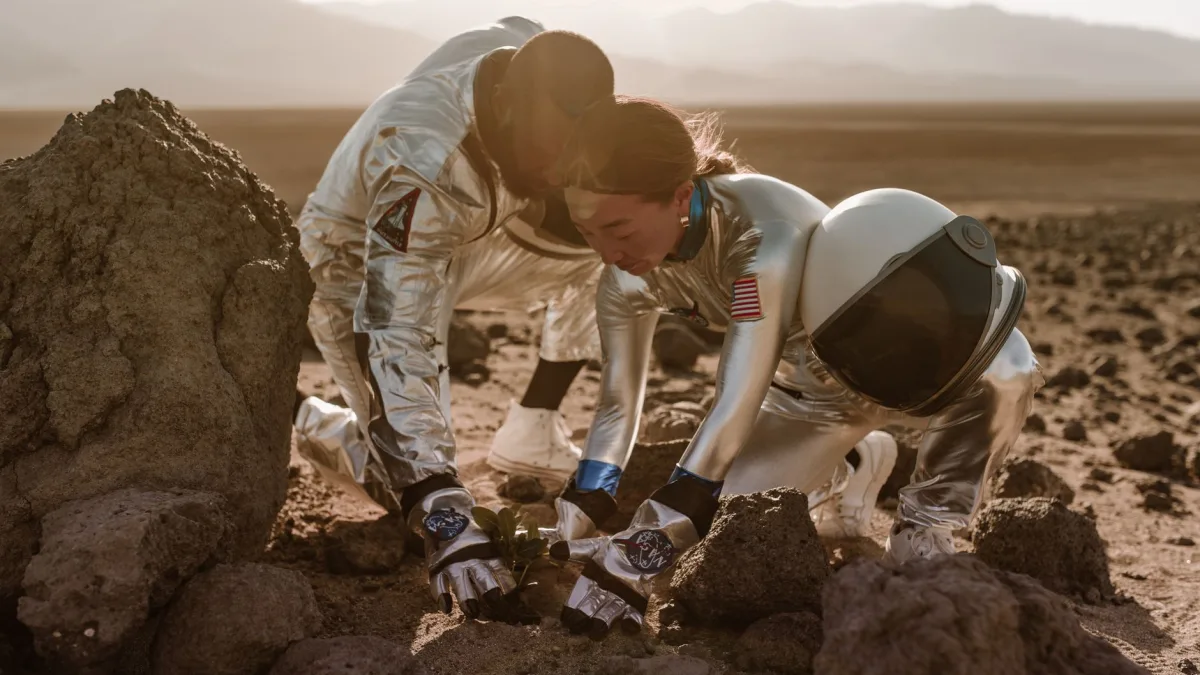
What Would You Actually Eat on Mars?
The food supply challenge is one of the most underrated logistics problems of Mars colonization. From freeze-dried rations to Martian hydroponics, a…