Mars News
The latest from NASA, ESA, SpaceX, and the global Mars exploration community.
📰
NASA Jet Propulsion Lab
NASA Sets Briefings for SpaceX Crew-13 Mission to Space Station
NASA is gearing out to launch its SpaceX Crew-13 mission to the International Space Station, with a pair of news briefings scheduled for August 3 at Johnson Space Center in Houston. Mission leadership and crew members will share details about the upcoming rotation flight, keeping the public informed as human spaceflight operations continue to advance. Each crewed mission to the ISS builds valuable experience in long-duration spaceflight, a critical stepping stone toward the eventual goal of sending humans to Mars.
📰
NASA Jet Propulsion Lab
From Hampton to Mars: How NASA Langley Helped Land on the Red Planet
Fifty years after NASA's Viking 1 and 2 spacecraft achieved the first successful landings on Mars, a new retrospective highlights the critical role played by engineers and scientists at NASA's Langley Research Center in Hampton, Virginia. Their technical contributions and steady leadership were essential in transforming an audacious vision into a landmark mission that fundamentally changed our understanding of the Red Planet. As humanity now sets its sights on sending humans to Mars, the Viking program stands as a powerful reminder of what determined teams can accomplish — and the foundation upon which future missions will be built.
📰
NASA Jet Propulsion Lab
Our First View of the Surface of Mars
On July 20, 1976, NASA's Viking 1 lander made history by successfully touching down on Mars and transmitting the very first images of the Martian surface back to Earth. That grainy, line-by-line photograph represented a monumental leap in our understanding of Mars as a real, tangible world rather than a distant mystery. Nearly five decades later, this pioneering mission remains a foundational milestone in humanity's long journey toward one day sending humans to the Red Planet.

io9 / Gizmodo
Woman’s Cornea Gets ‘Eaten’ by Parasite After Contact Lens Blunder
This story has no meaningful connection to Mars exploration or space colonization, so it isn't a strong fit for missiontomars.cc. That said, here's an angle that could work:
A UK woman's harrowing experience losing vision to a microscopic parasite after a simple contact lens mistake serves as a stark reminder of how vulnerable human eyes are to microbial threats. For future Mars colonists who may rely on corrective lenses or augmented vision tech in isolated, resource-limited habitats, maintaining strict hygiene protocols won't just be best practice — it could mean the difference between sight and blindness, with no specialist care nearby.

New Scientist Space
Possible signs of ancient life on Mars are rich in complex carbon
NASA's Perseverance rover has made a striking discovery on Mars, detecting large, complex carbon compounds alongside rock surface patterns that closely resemble the kind of structures left behind by ancient microbial life on Earth. The findings, gathered by one of the rover's onboard instruments, add to a growing body of evidence that Mars may once have harbored living organisms. If confirmed, this would rank among the most significant scientific discoveries in human history and dramatically reshape our understanding of what awaits future colonists on the Red Planet.
📰
SpaceNews
SpaceX gears up for Starship Flight 13
SpaceX is targeting July 16 for the thirteenth test flight of its Starship vehicle, aiming to validate engineering fixes carried over from Flight 12 while also deploying a batch of operational Starlink satellites. Each successive flight brings the world's most powerful rocket closer to the reliability and reusability standards required for crewed deep-space missions. For Mars exploration advocates, steady progress on Starship remains critical, as the vehicle is central to NASA's Artemis lunar lander plans and SpaceX's own long-term ambitions to send humans to the Red Planet.
📰
Ars Technica Space
China recovered its first reusable rocket and showed a new way to do it
China successfully recovered its first reusable rocket booster, marking a significant milestone in the global race to develop reusable launch technology. The achievement mirrors SpaceX's approach but introduces a distinct recovery method, signaling that China is rapidly developing independent capabilities in this critical area. For the long-term goal of reaching and sustaining a presence on Mars, a competitive landscape of reusable rockets could drive down launch costs and accelerate the infrastructure needed to make interplanetary missions viable.
Space.com
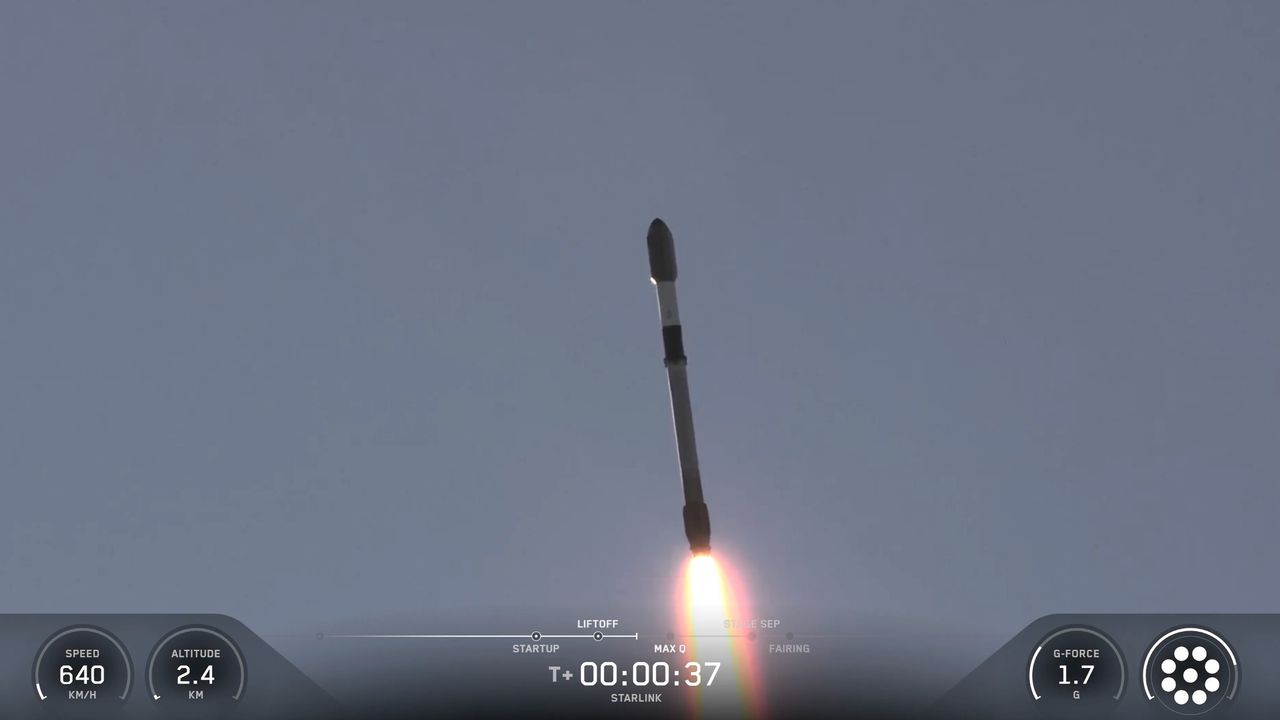
SpaceX Falcon 9 rocket launches for 35th time, hauls Starlink satellites to orbit (video)
SpaceX continues to push the boundaries of rocket reusability, with a Falcon 9 booster completing an impressive 35th flight to deliver 29 Starlink satellites into low Earth orbit. This milestone underscores SpaceX's mastery of rapid turnaround and cost-effective launch operations, capabilities that will be essential for sustaining future Mars missions. The more SpaceX refines reusable rocket technology, the closer humanity gets to making regular, affordable cargo and crewed flights to the Red Planet a reality.

Space.com
Your lost dog can now call home with the world's 1st satellite-connected dog collar
SpaceX's Starlink network has found a surprisingly heartwarming new application: keeping tabs on your four-legged companions virtually anywhere on Earth. A newly launched dog collar leverages Starlink's direct-to-mobile satellite connectivity to provide real-time GPS tracking in remote areas far beyond traditional cellular range. While the immediate use case is pet safety, the underlying technology highlights how Starlink's expanding infrastructure is quietly embedding itself into everyday life — a promising sign for the reliable communications backbone that future Mars missions and off-world colonies will desperately need.
io9 / Gizmodo
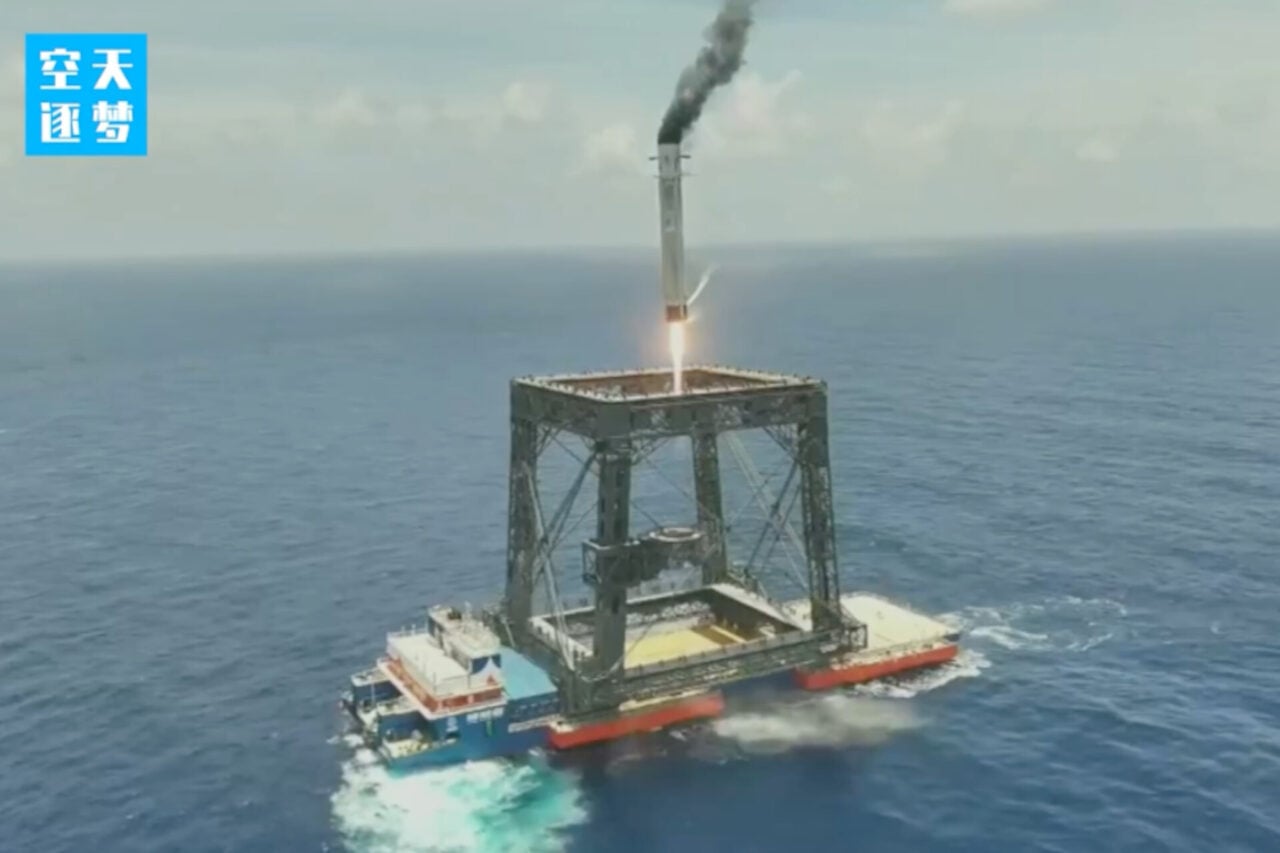
China Just Caught a Rocket Booster for the First Time, Taking Aim at SpaceX
China has achieved a major milestone in reusable rocket technology, successfully catching a returning rocket booster for the first time — a feat previously accomplished only by SpaceX. This development signals a growing rivalry in the race to master rapid rocket reusability, a capability considered essential for the high launch cadence required to support future Mars missions. As competition intensifies between the two spacefaring superpowers, the push to drive down launch costs could ultimately accelerate humanity's path to the Red Planet.
Space.com
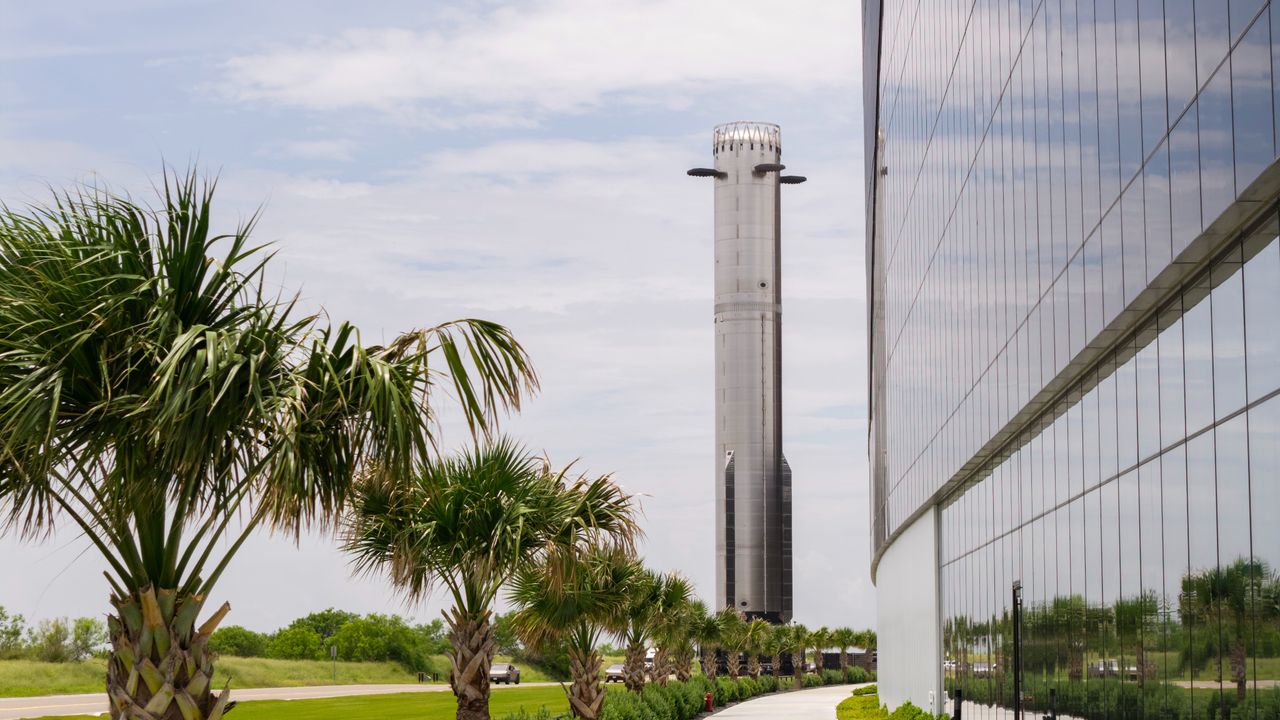
SpaceX ignites all 33 powerful engines on Starship booster ahead of Flight 13 launch
SpaceX has successfully fired all 33 Raptor engines on the Super Heavy booster destined for Starship's 13th test flight, marking a critical milestone ahead of a potential launch as early as next week. This full-stack engine test is a key safety and performance checkpoint that must be cleared before the vehicle can attempt another flight. Every successful Starship test brings humanity one step closer to the fully reusable heavy-lift rocket that Elon Musk envisions carrying crew and cargo to Mars.
Space.com
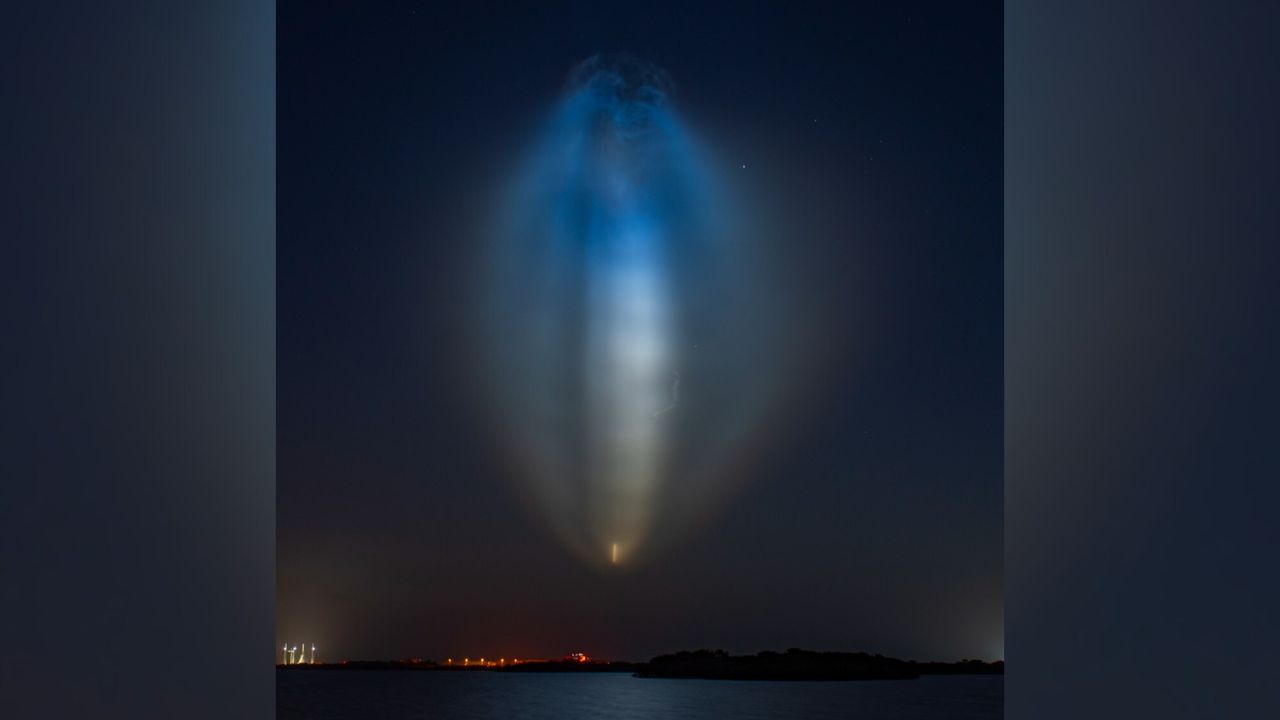
SpaceX launch creates colorful 'jellyfish' in the night sky | Space photo of the day for July 10, 2026
I promise it's not an alien.

Space.com
The moon, Mars and the Pleiades form a stunning lineup before dawn on July 11. Here's how to see it
Early risers on July 11 will be treated to a breathtaking predawn sky show, as a slender crescent moon lines up alongside Mars, the bright star Aldebaran, and the glittering Pleiades and Hyades star clusters. The celestial gathering offers a rare chance to spot the Red Planet with the naked eye in a striking cosmic tableau. For Mars enthusiasts, it's a perfect opportunity to connect with our future destination and appreciate just how visible — and reachable — Mars truly is from our own backyard.
Space.com
SpaceX wants to launch 100,000 Starlink satellites to orbit
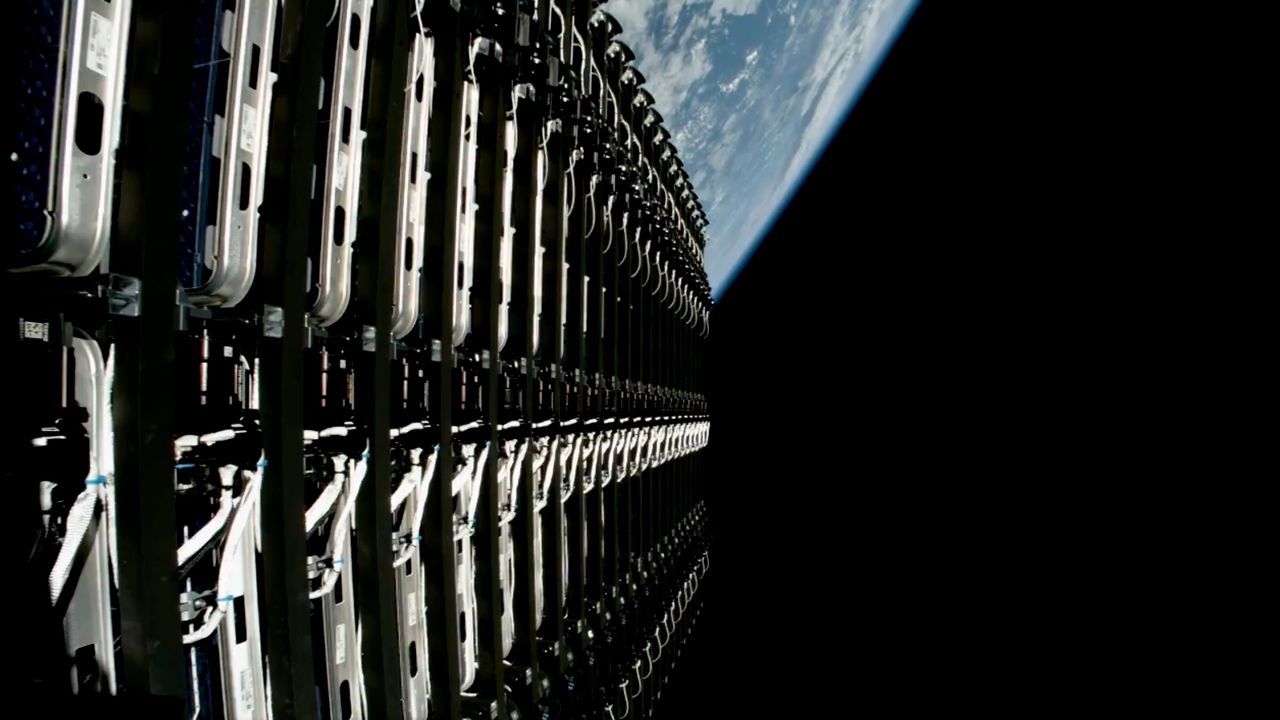
SpaceX has filed with regulators to deploy a massive new constellation of 100,000 next-generation Starlink satellites in Earth orbit, each tipping the scales at roughly 4,400 pounds. The sheer scale of this network would dramatically expand global internet coverage, generating revenue that could help fund SpaceX's long-term ambitions — including the development of Starship and eventual crewed missions to Mars. A robust, profitable Starlink business is widely seen as the financial backbone that makes Elon Musk's vision of a self-sustaining Martian colony economically feasible.
Space.com
Could evidence of life on Mars be hiding in clay? Europe wants to send a rover to check
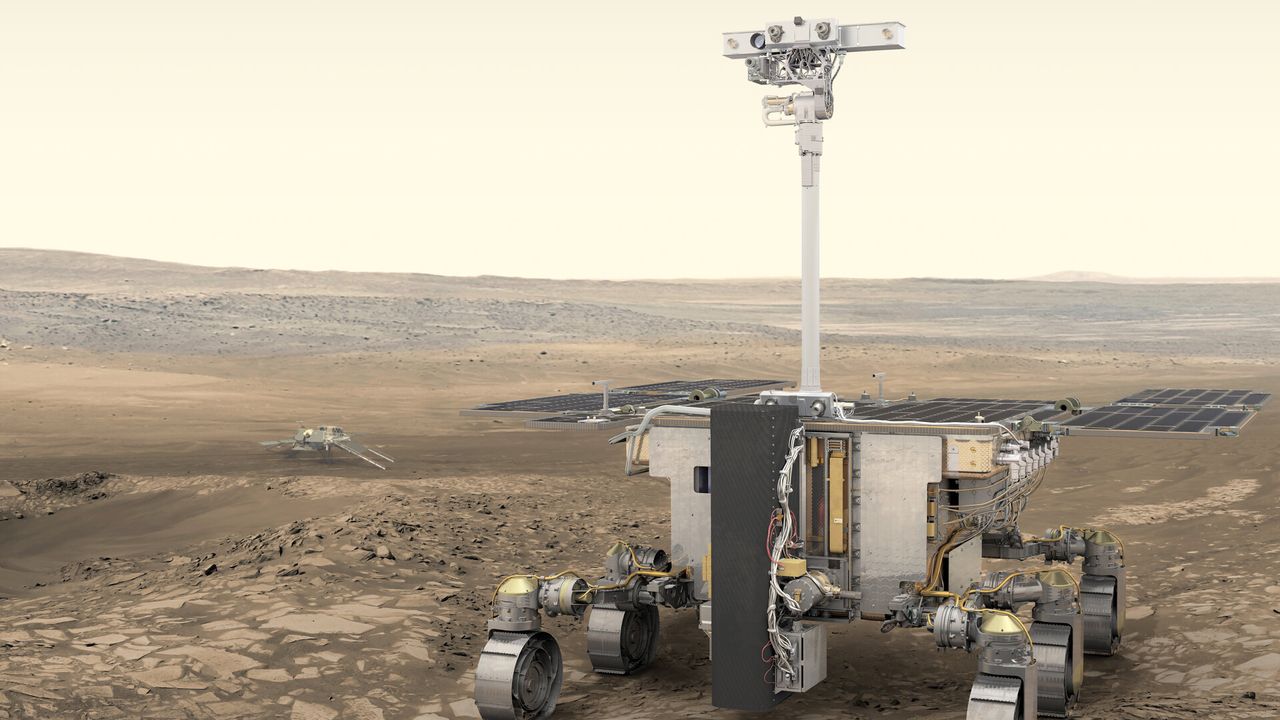
Europe's Rosalind Franklin rover is being prepared to search for biosignatures buried within Martian clay deposits, which scientists believe may be among the best-preserved repositories of ancient life on the Red Planet. Clay minerals form in the presence of water and are exceptionally good at locking in organic material, making them a prime target in the ongoing hunt for evidence that Mars was once habitable. If the mission succeeds, it could deliver one of the most significant discoveries in human history and reshape our understanding of what awaits future explorers on the Martian surface.
Space.com
SpaceX Falcon 9 rocket launches for record-breaking 36th time
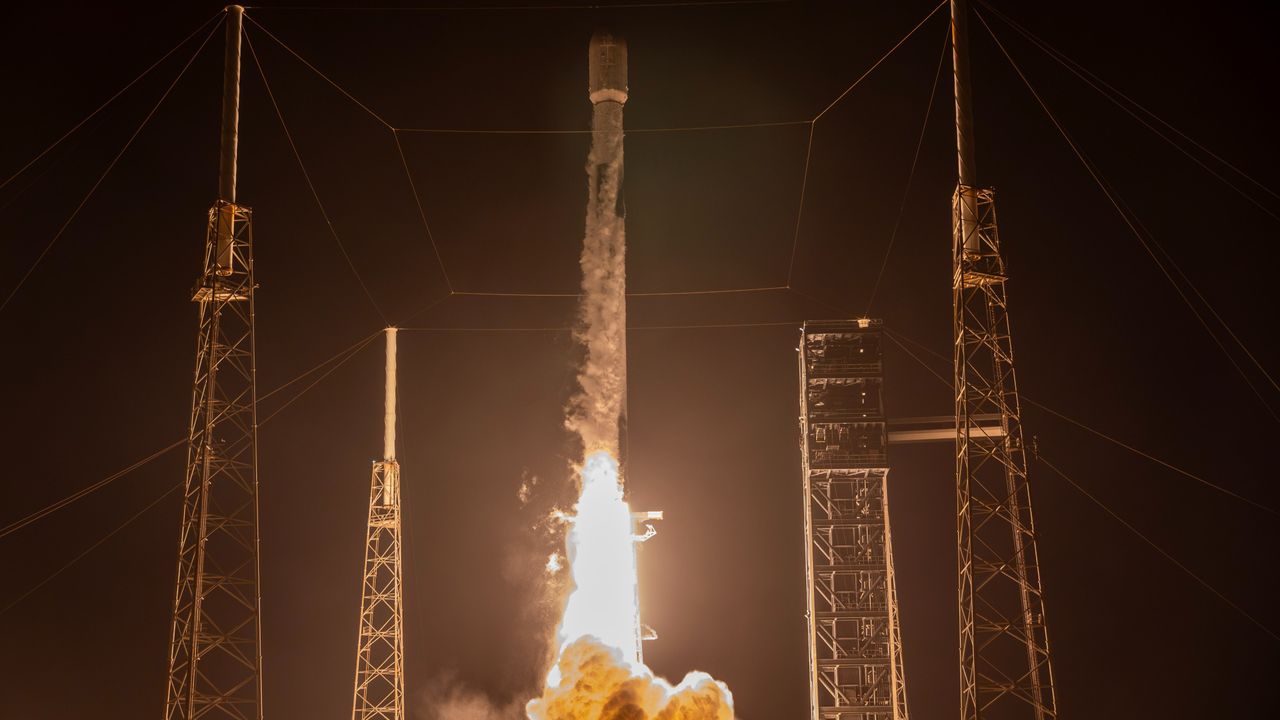
A SpaceX Falcon 9 booster etched its name in the record books this week, completing its 36th successful launch in the early morning hours of July 9th. This milestone underscores SpaceX's remarkable progress in reusable rocket technology, dramatically driving down the cost of reaching orbit. For Mars ambitions, proven reusability at this scale builds the foundation of reliability and affordability that future crewed missions to the Red Planet will absolutely depend on.
Space.com
Japanese company books 1,100 pounds of cargo space on SpaceX Starship mission to the moon
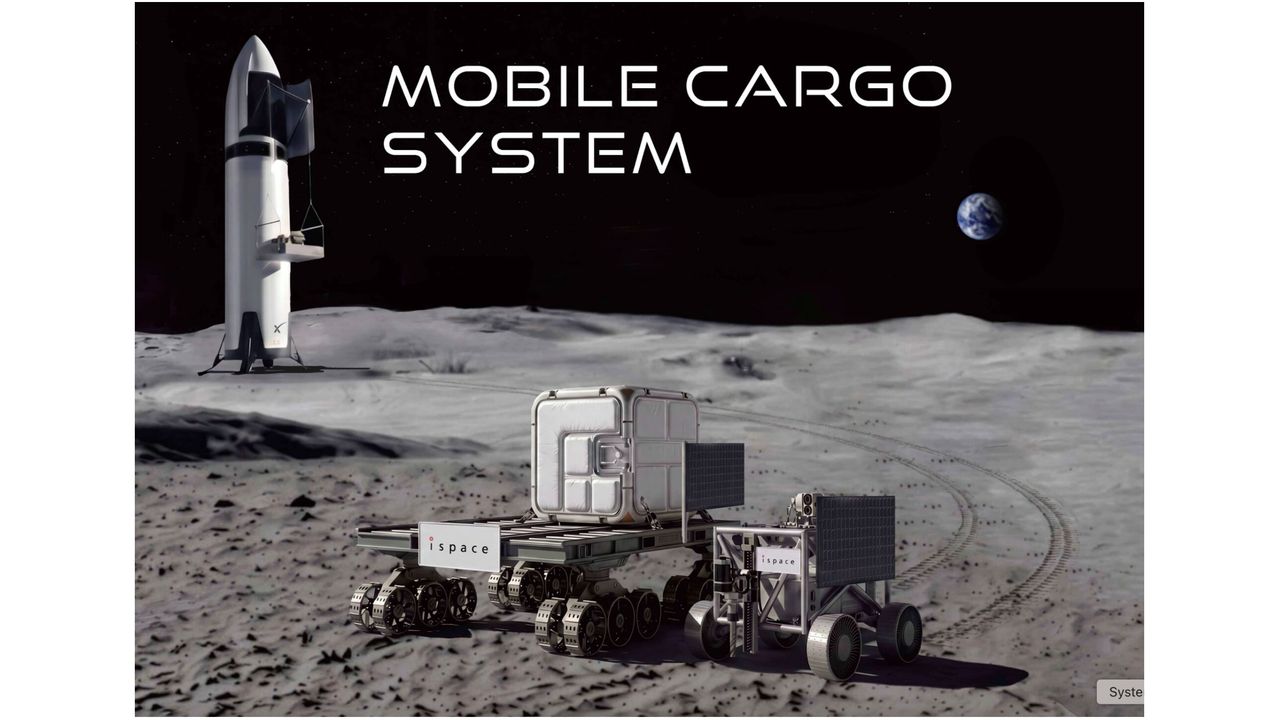
Japanese lunar exploration company ispace has secured a significant cargo contract aboard SpaceX's Starship, booking 500 kilograms of payload space for a future Moon mission. This deal underscores the growing commercial momentum behind Starship, the same vehicle NASA and SpaceX envision as a cornerstone of eventual crewed Mars missions. Every successful lunar cargo run helps validate Starship's capabilities and builds the operational experience that will be critical when humanity finally sets its sights on the Red Planet.
Space.com
NASA begins funding hardware for 'Skyfall' Mars helicopter mission
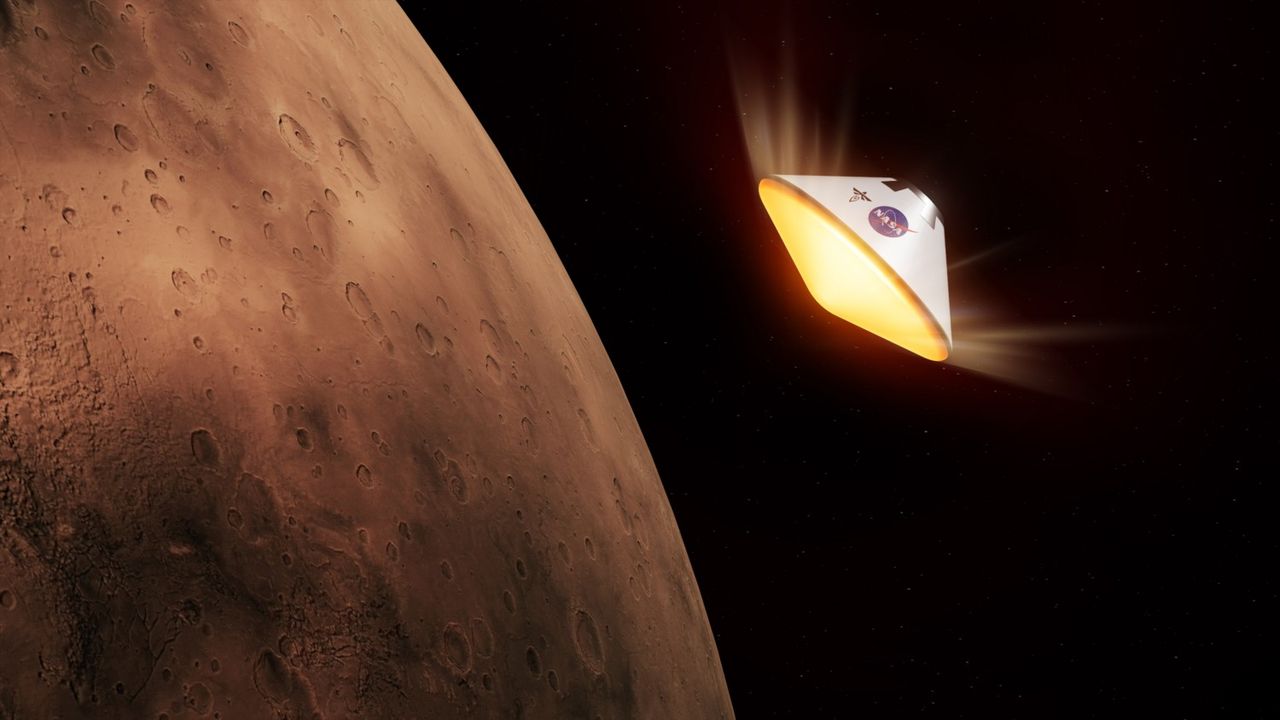
NASA's ambitious Skyfall mission, which will deploy a nuclear-powered helicopter on Mars, has reached a significant milestone with Firefly Aerospace being selected to build the aeroshell that will protect the spacecraft during its fiery descent through the Martian atmosphere. This kind of heat shield technology is critical to any successful Mars mission, as the thin but punishing atmosphere poses one of the greatest engineering challenges for getting hardware safely to the surface. With nuclear power enabling longer operational ranges than solar-dependent rovers, Skyfall could dramatically expand our ability to scout and study the Red Planet ahead of future human missions.

Space.com
How public–private partnerships can turn Mars into an economic frontier (Op-Ed)
Turning Mars into a thriving economic frontier will require more than government ambition alone — it demands bold collaboration between space agencies and private industry. No single organization has the resources or expertise to build everything needed for long-term Mars settlement, making public-private partnerships not just helpful but essential. This cooperative model could be the key that unlocks sustainable human presence on the Red Planet.
Space.com
SpaceX just launched the 1st-ever nuclear-powered commercial satellite
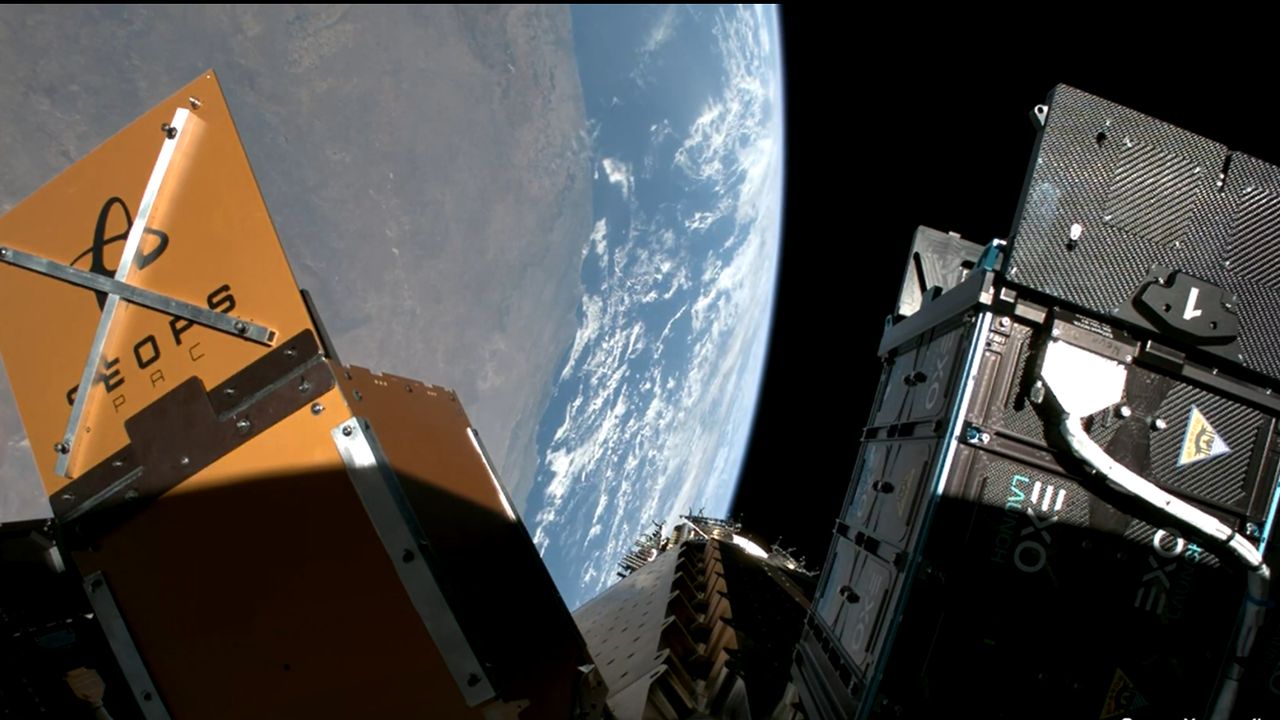
SpaceX's Transporter-17 rideshare mission quietly made history by deploying the first commercially built and operated nuclear-powered satellite, marking a significant shift in how private industry approaches energy generation in space. Nuclear power has long been considered essential for deep-space missions, including future Mars operations, where solar energy becomes increasingly inefficient the farther you travel from the Sun. This milestone suggests the commercial sector is maturing rapidly in its ability to develop the very technologies that could one day keep Mars habitats and rovers running through the long, dark Martian nights.
Space.com
SpaceX launches 81 satellites to orbit from California, lands rocket on ship at sea
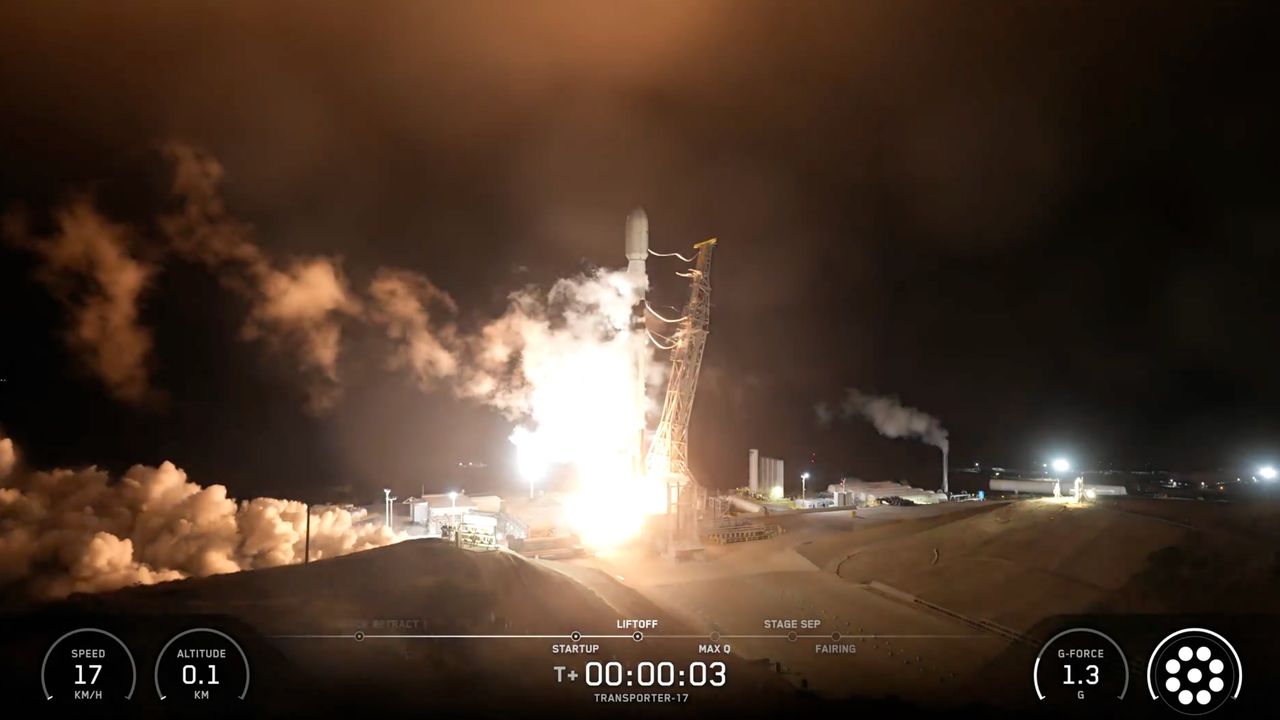
SpaceX continued to demonstrate its rapid launch cadence with a successful Falcon 9 mission from California that deployed 81 satellites to orbit before recovering the booster on a drone ship at sea. This kind of high-frequency, multi-payload rideshare capability highlights the growing reliability and reusability of the launch systems that will ultimately be needed to sustain regular cargo and crew missions to Mars. Every successful booster recovery brings down costs and builds the operational experience essential for the ambitious, multi-launch architecture a Mars colonization effort will require.
📰
SpaceNews
ElevationSpace advances work on commercial reentry vehicle
Japanese startup ElevationSpace is making steady progress on its commercial reentry vehicle, securing customers and gearing up for its inaugural mission. The company is navigating a competitive landscape that now includes SpaceX as a potential rival in the reentry services market. Reliable and affordable reentry technology is a critical building block for future deep space missions, as mastering atmospheric return is essential for safely bringing crew and cargo back from destinations like Mars.
📰
SpaceNews
Volatility is often the price of ambition
SpaceX's high-profile IPO has brought the kind of dramatic stock swings that veteran space watchers will recognize as par for the course when big ambitions meet public markets. For the growing number of satellite constellation projects built around Starship's massive payload capacity, financial turbulence at SpaceX could ripple outward in unexpected ways. Steady investment and long-term confidence in Starship's development remain crucial not just for commercial ventures, but for the ambitious crewed Mars missions that depend on the rocket's continued progress.
📰
SpaceNews
ispace to send larger payloads to the moon on SpaceX’s Starship
Japanese lunar startup ispace has secured a spot on a future SpaceX Starship lunar lander mission, allowing the company to deliver significantly larger payloads to the Moon than its own smaller landers permit. This partnership signals growing commercial confidence in Starship as a heavy-lift workhorse for deep space logistics. For Mars ambitions, the development is meaningful — demonstrating that Starship's payload capacity is attracting serious commercial customers, a key step toward proving out the infrastructure that could one day supply a Mars colony.