Mars News
The latest from NASA, ESA, SpaceX, and the global Mars exploration community.
📰
NASA Jet Propulsion Lab
NASA’s Perseverance Rover Reads Record of Ancient Mars Impacts
Perseverance has made a remarkable discovery on the rim of Jezero Crater, identifying a 75-meter-thick stack of ancient layered rock that was shaped by repeated asteroid impacts over 3.9 billion years ago. This "Broom Point member" offers scientists a rare window into the violent early history of Mars, when impacts were far more frequent across the inner solar system. Understanding this geological record not only deepens our knowledge of Mars's past but also helps researchers identify the most scientifically valuable sites for future human explorers to investigate.
📰
NASA Jet Propulsion Lab
Curiosity Finds Evidence of an Ancient Sandstorm
NASA's Curiosity rover has captured a striking snapshot of Martian history, photographing layered rock formations that preserve the memory of a ferocious sandstorm that raged billions of years ago. The ancient tempest was powerful enough to cause sand ripples to stack on top of one another as they swept across the surface, eventually compressing into the multi-layered sedimentary rocks visible today. These geological records give scientists valuable insight into the dynamic and sometimes violent weather patterns that once shaped Mars, helping researchers better understand the planet's atmospheric past as they plan for future human exploration.
io9 / Gizmodo
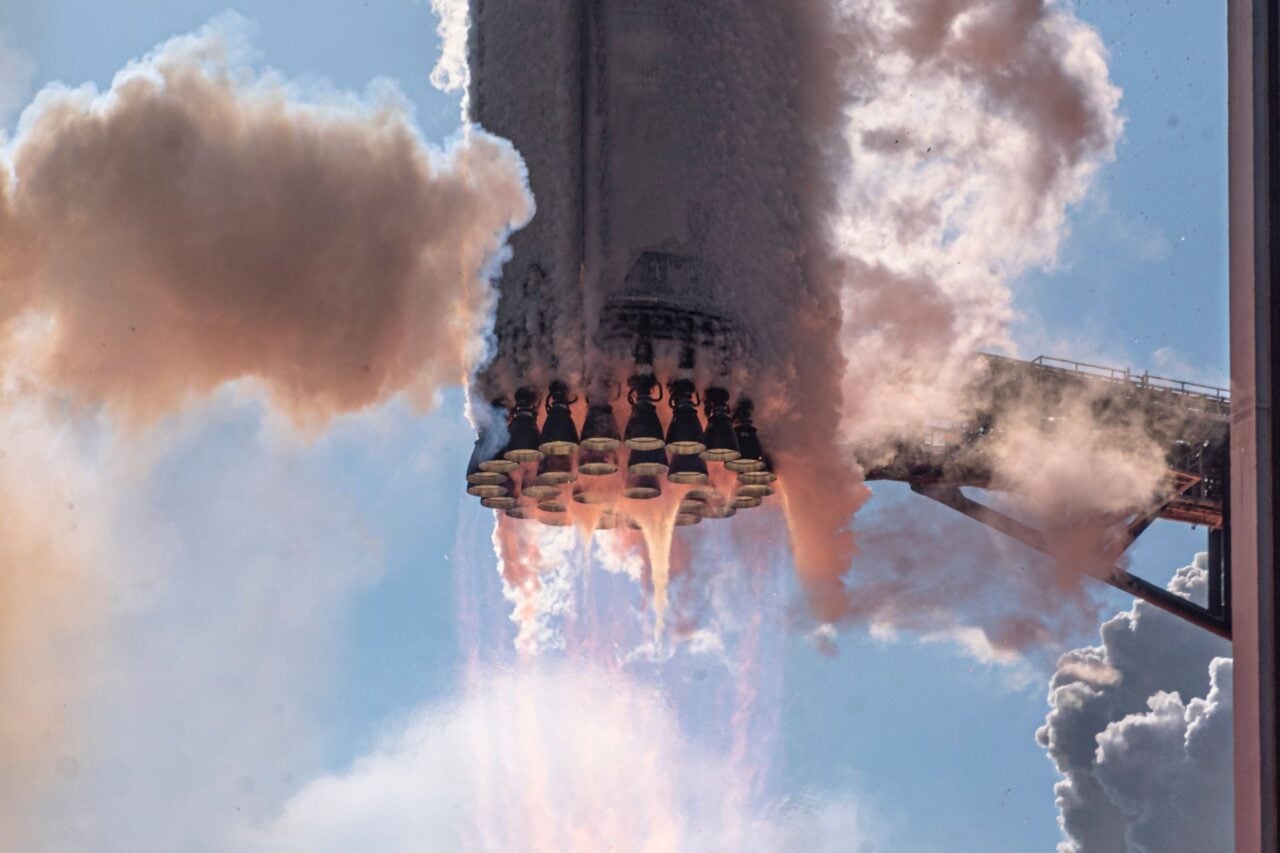
How to Watch Starship Flight 13, the Second Launch Attempt of the World’s Biggest Rocket
SpaceX is gearing up for Starship Flight 13, another critical test of the most powerful rocket ever built. This attempt aims to address technical issues from the previous flight while also deploying a batch of next-generation Starlink satellites. Every successful Starship test brings humanity one step closer to the heavy-lift capability needed to one day transport crews and cargo to Mars.

Space.com
Watch SpaceX launch 21 'data transport' satellites for US military today
SpaceX is set to launch 21 satellites for the U.S. military's Tranche 1 Transport Layer constellation, expanding a cutting-edge communications and data relay network in low Earth orbit. While primarily a defense initiative, advances in satellite communication architecture directly inform the kind of robust, high-bandwidth relay networks that will be essential for supporting crewed missions to Mars. Reliable data transport infrastructure developed through programs like this could one day serve as a blueprint for the interplanetary communications backbone Mars colonists will depend on.
Space.com
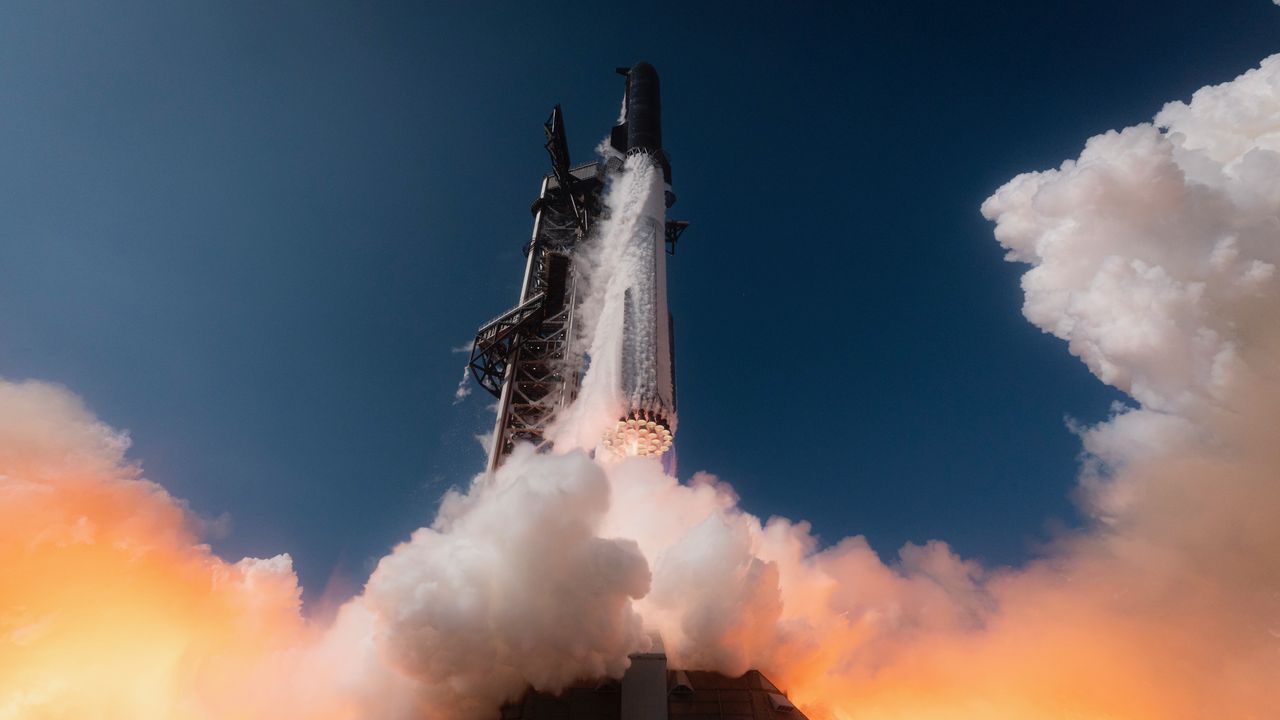
SpaceX will launch Starship, the world's largest rocket, on critical Flight 13 test today. Here's what to expect.
SpaceX is set to launch Starship on its 13th test flight today, July 16, marking another major milestone in the rocket's development program. This mission will be the first to carry next-generation V3 Starlink satellites into orbit, demonstrating Starship's real-world payload capabilities. Each successful test brings the world's most powerful rocket one step closer to the deep-space missions it will need to master before carrying humans and cargo to Mars.
Space.com
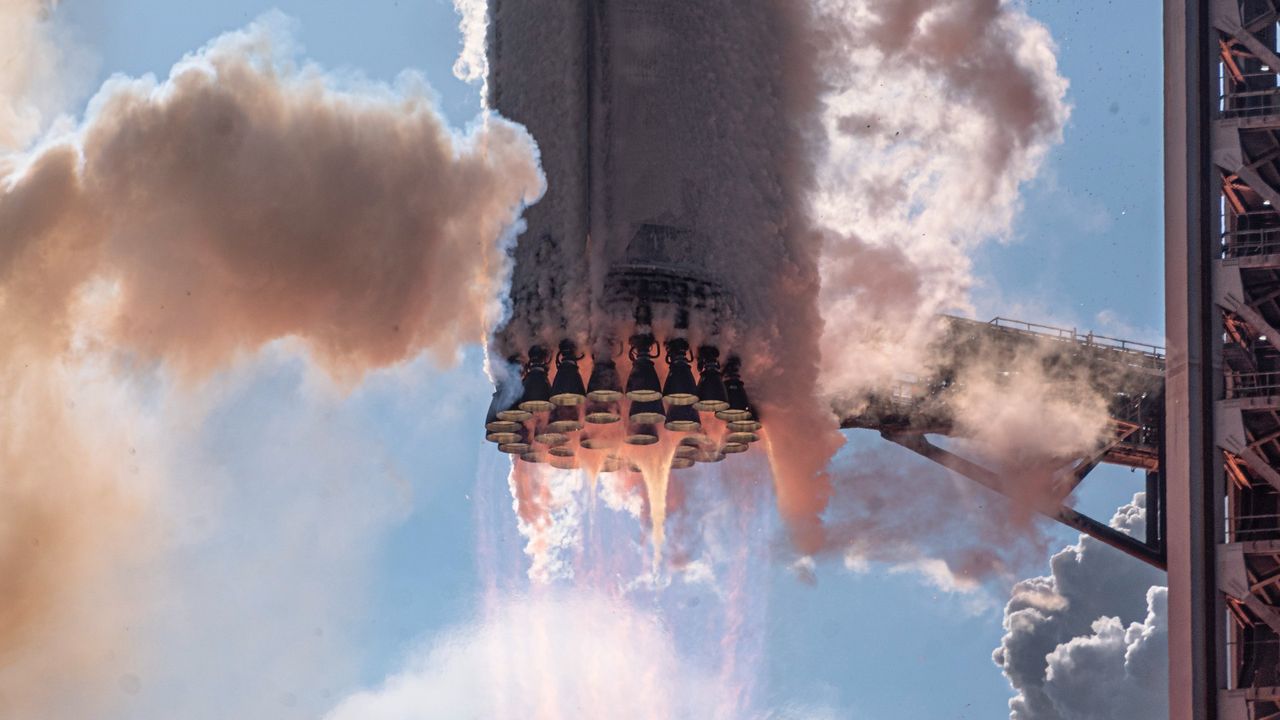
SpaceX Starship Flight 13 launch updates: Rocket stages stacked and ready for liftoff today
SpaceX has stacked Starship's Super Heavy booster and upper stage ahead of Flight 13's planned liftoff today, marking another critical milestone in the vehicle's rapid development cadence. Each successive test flight helps engineers refine the massive rocket that NASA and SpaceX envision as humanity's primary transport for crewed missions to Mars. A successful Flight 13 would further validate the full-stack system's reliability, bringing the dream of sustainable Mars colonization one step closer to reality.
Space.com
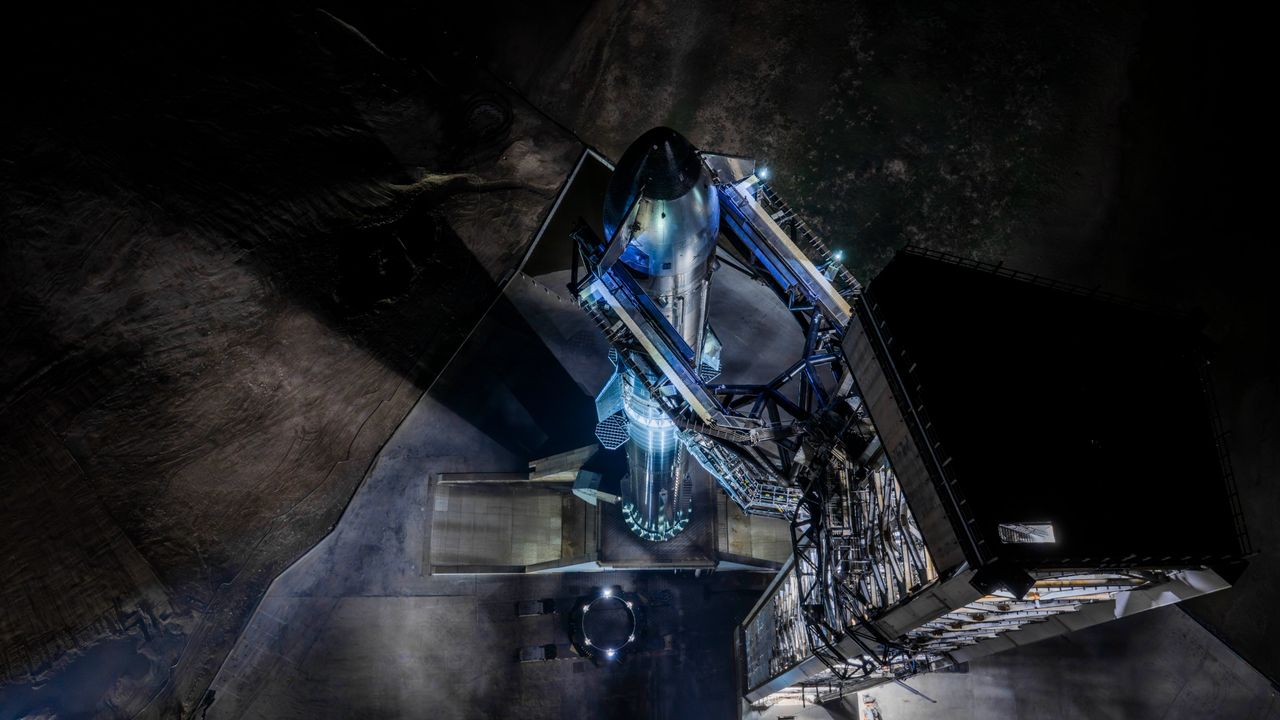
SpaceX stacks massive Starship rocket ahead of today's Flight 13 test launch (video)
SpaceX has assembled the full Starship vehicle at its Boca Chica launch site in preparation for the Flight 13 test, scheduled for the evening of July 16. Each successive Starship test brings the world's most powerful rocket closer to the operational reliability it will need for ambitious missions beyond Earth orbit. For Mars advocates, continued progress on Starship is critical, as the vehicle is central to Elon Musk's vision of eventually transporting crew and cargo to the Red Planet.
Space.com
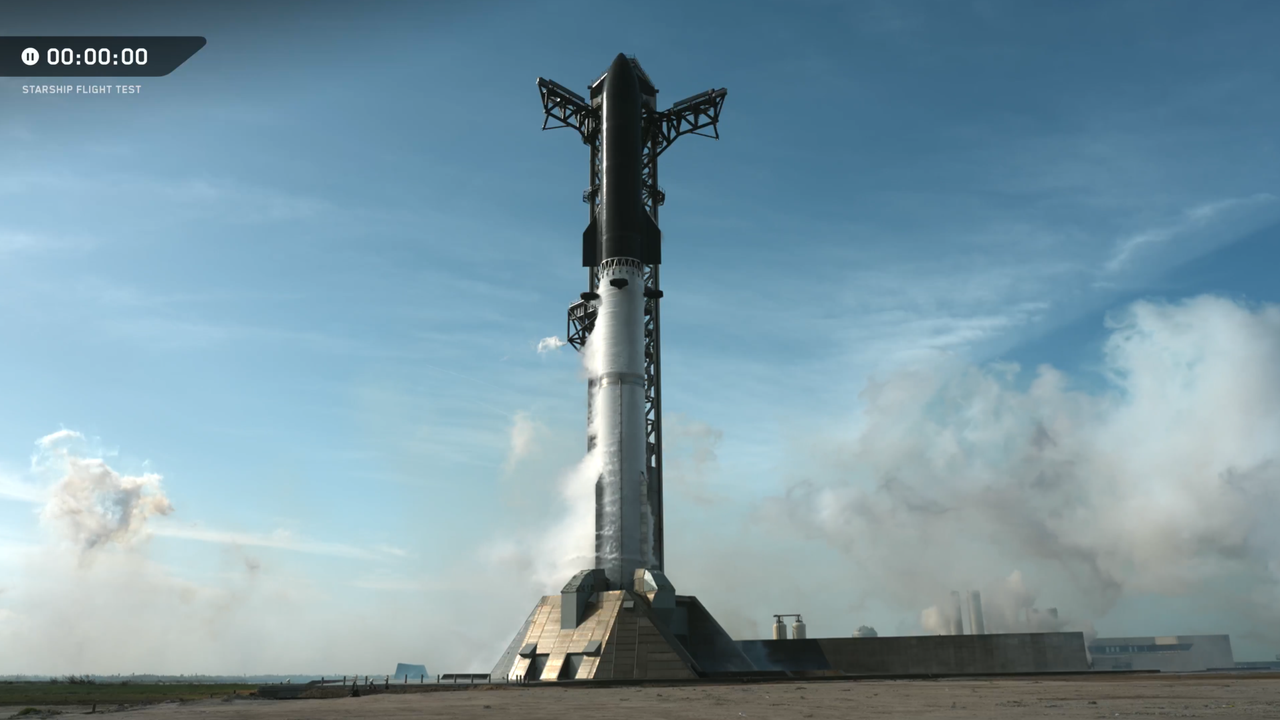
SpaceX's Starship Flight 13 test launch aborts at last second (video)
SpaceX experienced a last-second abort during the attempted Flight 13 test launch of its massive Starship rocket on July 16, halting the mission just before liftoff. The cause of the abort has not yet been disclosed, and no new launch date has been announced. Each Starship test flight is a critical step toward proving the vehicle's readiness for deep-space missions, including the long-term goal of carrying humans and cargo to Mars.
📰
SpaceNews
SpaceX aborts Starship Flight 13 launch attempt
SpaceX was forced to scrub the Starship Flight 13 test on July 16 after several engines failed to ignite during the launch attempt. While the abort was a setback, it reflects the rigorous safety protocols built into the program — catching engine issues on the pad rather than in flight. Starship remains humanity's leading candidate for crewed missions to Mars, making each test flight, successful or not, a critical step toward that goal.
📰
SpaceNews
SpaceX launches 21 satellites for military data network
SpaceX recently launched 21 York Space Systems satellites on behalf of the Space Development Agency, marking a significant milestone in building out the military's Tranche 1 Transport Layer constellation — with half of the planned network now in orbit. This growing mesh of low-Earth orbit satellites is designed to provide fast, resilient data relay capabilities for defense operations. While primarily military in focus, advances in satellite network infrastructure and launch cadence continue to strengthen the broader ecosystem that will ultimately support deep-space communication needs for future Mars missions.
📰
Ars Technica Space
SpaceX scrubs Starship launch after some of its engines didn't start
SpaceX was forced to scrub the latest Starship test launch after several engines on the vehicle failed to ignite during the countdown, with the company now working toward a new attempt within the next few days. Engine reliability is a critical milestone for Starship, which must perform flawlessly to one day carry crew and cargo on the long journey to Mars. Every scrub and subsequent fix brings engineers closer to understanding the vehicle's limits — and ultimately to making interplanetary travel a reality.
Space.com
SpaceX Starship Flight 13 launch updates: New launch date under review
SpaceX continues to push forward with preparations for Starship Flight 13, with a new launch date currently under review as the company works through its testing milestones. Each successive Starship test brings the vehicle closer to the reliability and performance standards required for deep space missions. For Mars exploration advocates, steady progress on Starship remains critical, as the fully reusable megarocket is central to NASA's lunar ambitions and SpaceX's long-term vision of sending humans to the Red Planet.
📰
SpaceNews
SpaceX’s only problem is finding more space to work with
SpaceX's potential IPO signals a major turning point, bringing the once-fringe dream of interplanetary civilization into the mainstream financial world. As capital markets begin to embrace the space economy, increased investment could accelerate the development of the technologies needed to actually get humans to Mars. For Mars advocates, this kind of financial legitimacy may be exactly the fuel needed to transform ambitious plans into reality.
📰
NASA Jet Propulsion Lab
NASA Invites Media to Roman Space Telescope, Crew-13 Launches
NASA is gearing up for two significant launches, including the Nancy Grace Roman Space Telescope, set to lift off aboard a SpaceX Falcon Heavy rocket from Kennedy Space Center no earlier than August 30. The Roman telescope, a powerful wide-field observatory, will greatly expand our understanding of the universe and could contribute to technologies and knowledge that support future deep-space exploration. Media credentialing is now open for both this mission and the upcoming SpaceX Crew-13 crewed flight, signaling a busy and exciting stretch ahead for NASA.
📰
NASA Jet Propulsion Lab
NASA’s Psyche Mission Images Details of Martian Surface During Flyby
NASA's Psyche spacecraft captured stunning enhanced-color imagery of the Martian surface during a May 2026 flyby, using its multispectral imager to stitch together a detailed mosaic from four separate shots taken over just six minutes. The images offer a fresh, high-quality perspective on Mars from a mission primarily en route to the metal-rich asteroid 16 Psyche, demonstrating how interplanetary flybys can yield valuable scientific data as a bonus. For Mars exploration advocates, these kinds of opportunistic observations help build a richer, more detailed picture of the planet's surface characteristics ahead of future crewed missions.

io9 / Gizmodo
SpaceX Has Lost $1 Trillion in Value Since Its Post-IPO Peak
SpaceX's valuation has tumbled dramatically from its post-IPO peak, shedding roughly $1 trillion in market value and dealing a significant blow to Elon Musk's personal wealth ambitions. For Mars exploration advocates, the financial health of SpaceX is no trivial matter, as the company remains the primary private driver behind the Starship program central to any crewed Mars mission. A prolonged valuation slump could complicate future fundraising efforts and timelines for the ambitious interplanetary goals the company has staked its legacy on.

Space.com
These 'metallic' dunes on Mars look like sci-fi. What are they really?
The European Space Agency's Mars Express orbiter has sent back stunning new images of Martian dunes that appear almost metallic or liquid in nature, leaving observers doing a double-take. These otherworldly formations are actually the result of complex interactions between wind, sand, and the planet's thin atmosphere — sculpting the Martian surface into shapes that seem more at home in a science fiction film. Understanding how these dunes form and shift is valuable for future mission planners, as wind-driven surface changes could pose real challenges for landing sites, equipment, and eventual human settlements.
📰
NASA Jet Propulsion Lab
The Growing Crescent of Mars as NASA’s Psyche Mission Approaches
NASA's Psyche spacecraft captured a stunning composite image sequence showing Mars growing larger in its field of view during a gravity assist maneuver between May 2 and May 15, 2026. The series beautifully illustrates the spacecraft using Mars' gravitational pull to slingshot itself onward toward its ultimate destination, the metal-rich asteroid 16 Psyche. While not a Mars mission itself, this close flyby demonstrates the continued choreography of planetary navigation that will be essential for future crewed missions making their own approach to the Red Planet.

Space.com
This Week In Space podcast: Episode 219 — SpaceX Goes to War!
In the latest episode of This Week In Space, hosts Rod Pyle and Tariq Malik dig into recent major space headlines, with SpaceX's ongoing activities taking center stage. The discussion highlights how SpaceX continues to shape the future of space exploration through its expanding role and influence. For Mars enthusiasts, staying current with SpaceX developments is essential, as the company remains the leading force behind humanity's ambitions to reach and settle the Red Planet.
📰
Universe Today
NASA's Perseverance Rover Uncovers Evidence of 4 Billion Year Old Impacts
NASA's Perseverance rover has made a remarkable discovery on the rim of Jezero Crater, finding ancient rocks that bear the scars of impacts dating back approximately 4 billion years. This window into the solar system's turbulent early history — a period known as the Late Heavy Bombardment — gives scientists unprecedented insight into the forces that shaped Mars's surface and potentially its habitability. For future mission planners and colonists, understanding this violent geological past helps paint a fuller picture of how Martian terrain evolved and where the most scientifically valuable — and structurally stable — sites might be found.
Space.com
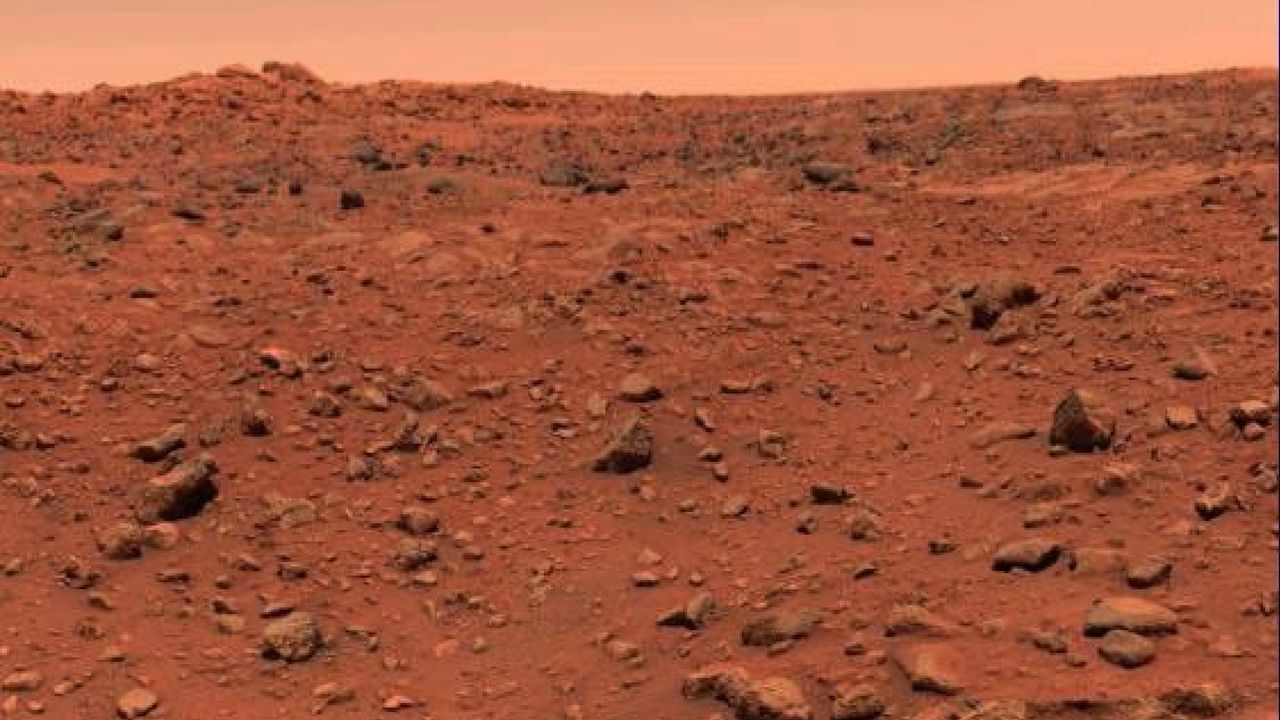
Did Viking 1 find life on Mars 50 years ago? Here's why the debate continues
Nearly 50 years ago, NASA's Viking 1 lander conducted experiments on Martian soil that produced results so puzzling, scientists are still arguing about what they mean today. Some researchers believe the data hinted at microbial life, while others maintain chemical reactions alone can explain the findings. As humanity prepares to send humans to Mars, resolving this decades-old debate has never felt more urgent — knowing whether life once existed there could reshape everything about how we explore and settle the planet.

Space.com
50 years after Viking 1's historic Mars landing, NASA is looking to the Red Planet's skies
Half a century after Viking 1 made history as the first spacecraft to successfully land and operate on Mars, NASA is shifting its gaze skyward, turning attention to the Martian atmosphere as the next frontier. Understanding Mars's skies is a critical step toward enabling future crewed missions, as atmospheric data informs everything from entry and landing systems to resource extraction for life support. Viking 1's legacy continues to shape humanity's path to the Red Planet, now pointing the way not just to its surface, but to the skies above it.
Space.com
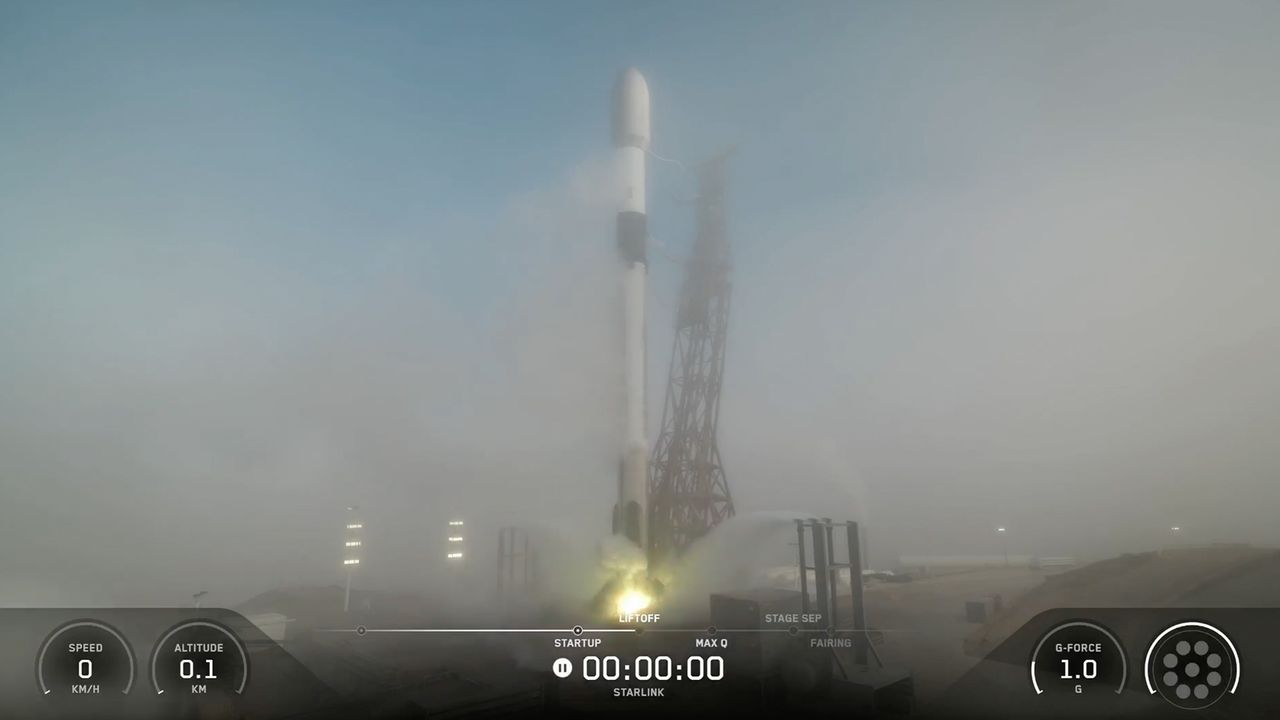
Twice in a row: SpaceX rocket aborts launch at last second again (video)
SpaceX experienced back-to-back last-second launch aborts, with a Falcon 9 carrying Starlink satellites scrubbing at Vandenberg on July 20 — the second consecutive abort for the company. While frustrating, these automated safety systems are doing exactly what they are designed to do, prioritizing vehicle integrity over schedule. For a program with ambitions to send humans to Mars, maintaining an ironclad culture of safety and reliability is far more important than hitting any single launch window.

Space.com
Ancient sandstorm leaves behind wreckage on Mars | Space photo of the day for July 20, 2026
Mars bears the scars of its violent past, with remnants of ancient sandstorms still visible across the planet's surface today. These geological features offer scientists valuable clues about Mars's atmospheric history and the extreme forces that have shaped its landscape over billions of years. For future colonists, understanding these formations will be essential for anticipating hazards and selecting safer settlement sites.