The 38% Rule
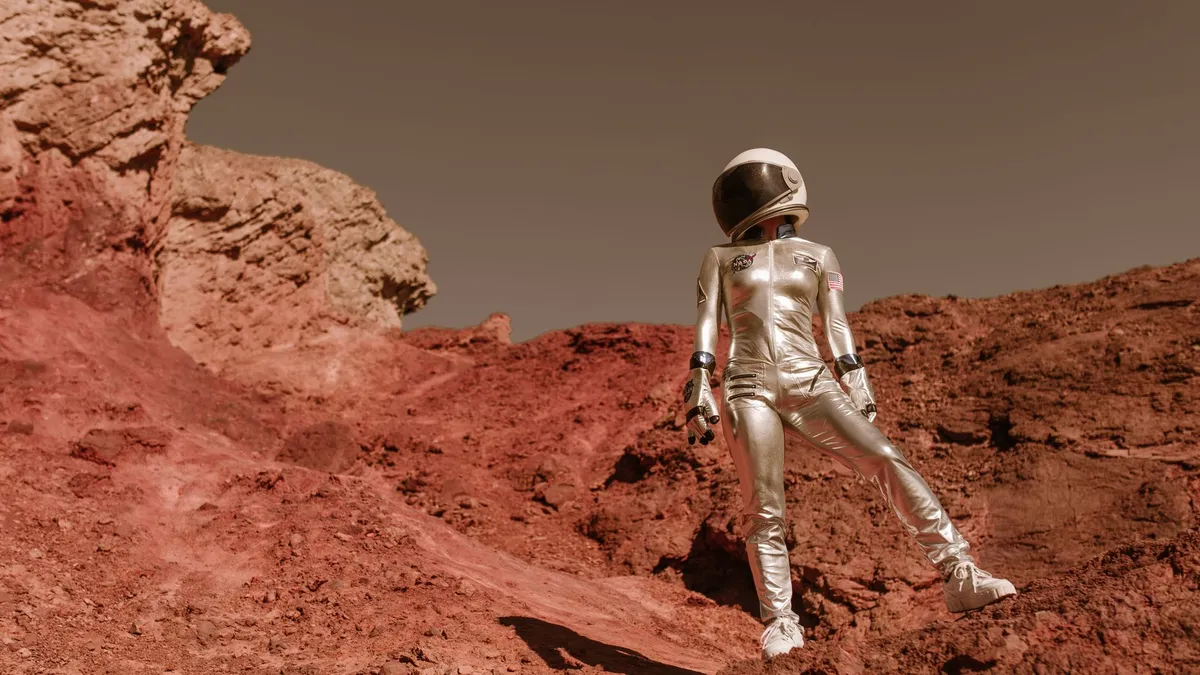
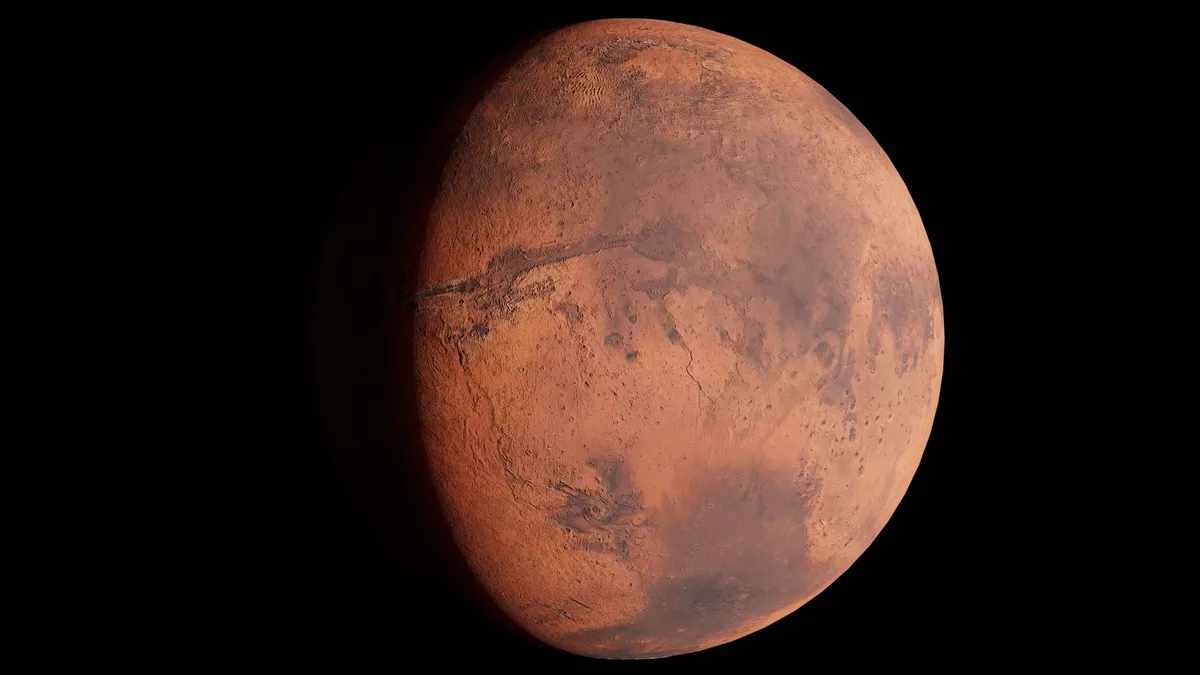
Step onto a scale on Mars and you'd weigh just 38% of what you do on Earth. A person who weighs 180 pounds (82 kg) on Earth would tip the scales at roughly 68 pounds (31 kg) on Mars. That's because Mars has a mass of only about 6.4 × 10²³ kg — approximately 10.7% of Earth's mass — and a surface gravity of 3.72 m/s², compared to Earth's 9.81 m/s².
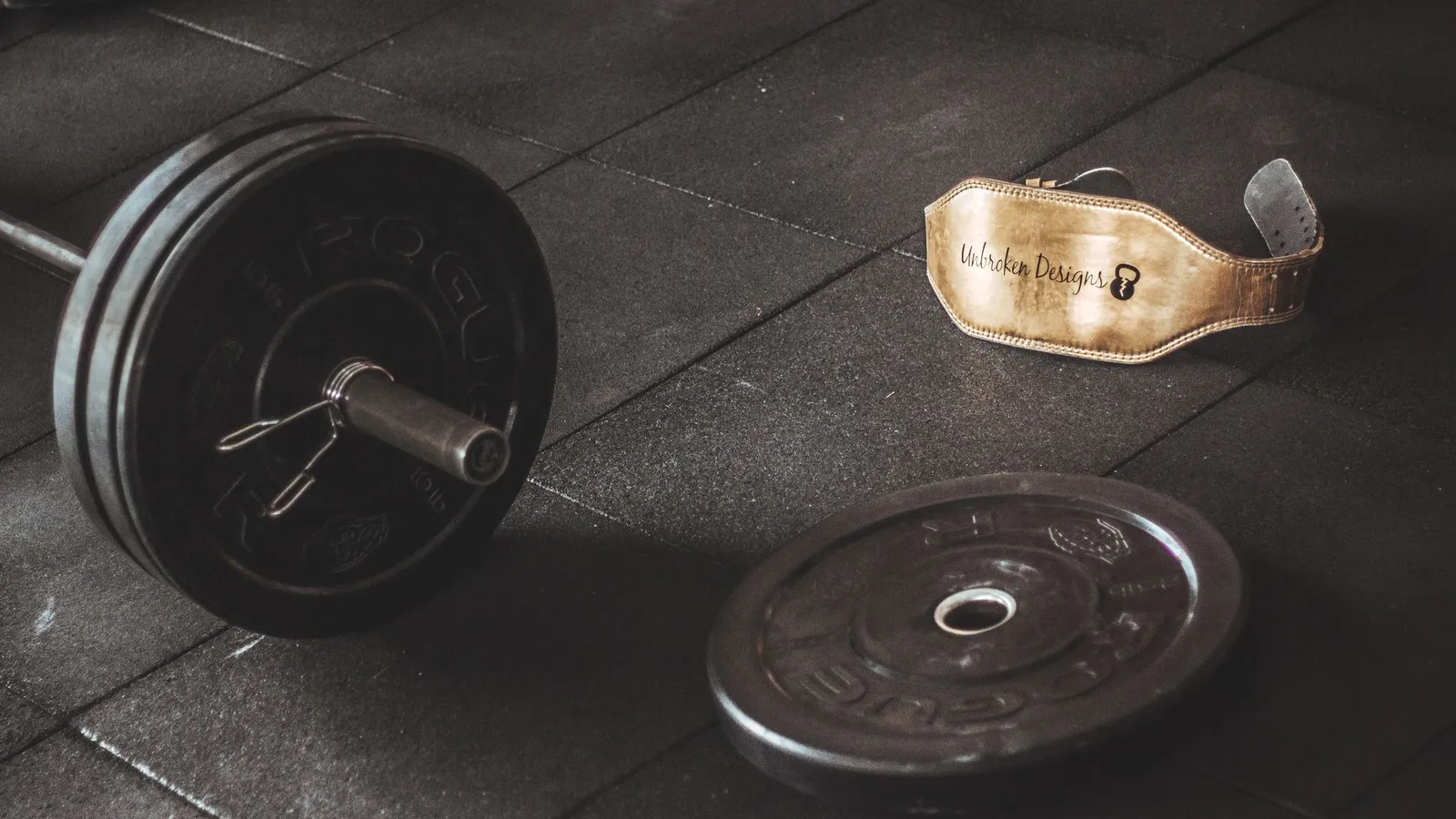
On the surface, that sounds like a superpower. You could theoretically lift objects nearly three times heavier than anything you could budge back home. A 300-pound barbell? Feels like 114 pounds. But the reality of living and working in Martian gravity is far more nuanced — and considerably more dangerous — than a simple arithmetic advantage.
What Low Gravity Actually Does to the Human Body
The International Space Station has given scientists nearly three decades of data on what reduced gravity does to human physiology. Astronauts in microgravity lose bone density at roughly 1–2% per month in load-bearing bones, and muscle mass can drop measurably within weeks without aggressive countermeasures. Mars isn't microgravity, but at 38% of Earth's pull, it's not enough to keep the human body in peak condition either.
Research published by NASA's Human Research Program suggests that even partial gravity significantly reduces the mechanical load on bones and muscles. Over months and years, colonists could experience:
- Bone density loss in the hips, spine, and legs — the bones that bear weight during standing and walking
- Muscle atrophy, particularly in the lower body, as muscles adapt to the reduced demand placed on them
- Cardiovascular deconditioning, since the heart doesn't have to work as hard to pump blood against a weaker gravitational pull
- Balance and coordination changes as the vestibular system recalibrates to a new gravitational environment
So yes, you'd be stronger relative to your environment — but your body, over time, would be rebuilding itself around a lower baseline of effort.
The Born-on-Mars Question
Here's where it gets genuinely fascinating. Consider a child born and raised on Mars, never having set foot on Earth. Their musculoskeletal system would develop entirely within 3.72 m/s² of gravity. Their bones might grow longer and less dense, their muscles leaner, their cardiovascular system calibrated for lower demands. Theoretical models suggest such a person could be taller than their Earth-born counterparts — less gravitational compression on the spine and joints — but physically weaker in absolute terms, even if they feel perfectly capable in their home environment.
Returning such a person to Earth could be medically catastrophic. Earth's gravity might place intolerable strain on a skeleton that never had to bear full 1g load. This isn't science fiction — it's a real concern researchers at institutions like the NASA Johnson Space Center and ESA's MELiSSA project are beginning to model seriously.
Staying Strong: The Exercise Imperative
Current planning for long-duration Mars missions assumes that colonists will need rigorous, daily exercise protocols — likely more demanding than what ISS astronauts currently perform. On the ISS, crew members exercise approximately 2.5 hours per day using devices like the Advanced Resistive Exercise Device (ARED), which uses vacuum cylinders to simulate up to 600 pounds of resistance in microgravity.
A Martian habitat would need equivalent or superior equipment. Resistance training that loads the skeleton — squats, deadlifts, weighted carries — would be essential medicine, not just fitness. Some researchers propose that colonists may also benefit from periodic centrifuge exposure to simulate higher gravity and maintain Earth-normal bone density, though compact, habitat-scale centrifuges remain an engineering challenge.
So, How Strong Would a Martian Be?
The honest answer depends on when you ask. A freshly arrived Earth-born colonist would feel remarkably capable in the short term — bounding across the terrain, lifting equipment with ease. But without disciplined countermeasures, that advantage erodes as the body adapts downward to its new environment.
A true Martian — born there, raised there — might move through their world with grace and efficiency, perfectly suited to 0.38g. But bring them to Earth, and they'd likely struggle under a gravity that feels, to them, like being crushed.
Strength on Mars isn't a gift. It's a variable — one that future colonists will have to actively manage, every single day.
Frequently Asked Questions
Would you be stronger on Mars?
You'd be able to lift far more weight, since objects weigh about 38% of their Earth weight — but that's leverage from gravity, not real muscle strength. Without heavy resistance training, muscles and bones would actually weaken over time.
Would Martians become physically weak?
Without countermeasures, yes. Lower gravity reduces the load on muscles and bones, causing them to atrophy, which is why colonists would need rigorous resistance exercise to stay healthy.
How much could you lift on Mars?
Because weight is about 38% of Earth's, a mass that weighs 100 kg on Earth would feel like roughly 38 kg on Mars, so the same person could handle much heavier objects — though their underlying strength wouldn't have increased.